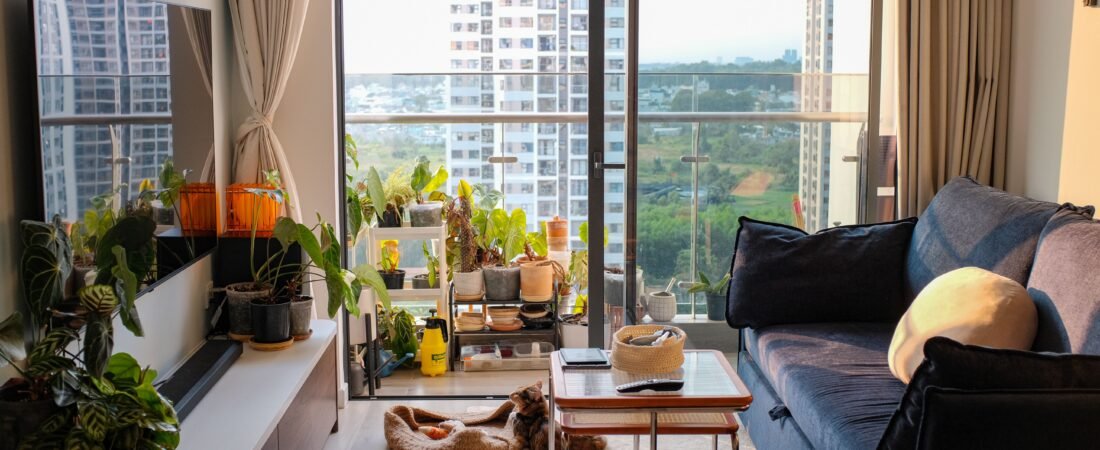
Finding the best indoor plants for small apartments does not have to be complicated. Even if you live in a studio apartment, a compact condo, or a rental home with limited natural light, you can enjoy beautiful greenery indoors.
The secret is choosing houseplants that match your available space, lighting conditions, and daily routine. Some plants grow upright in narrow corners; others look wonderful on shelves or in hanging planters.
This beginner-friendly guide compares 10 houseplants, their light and watering needs, and pet-safety considerations. It also explains how to choose plants that suit your apartment and how to care for them through the seasons.
Why Indoor Plants Work So Well in Small Apartments
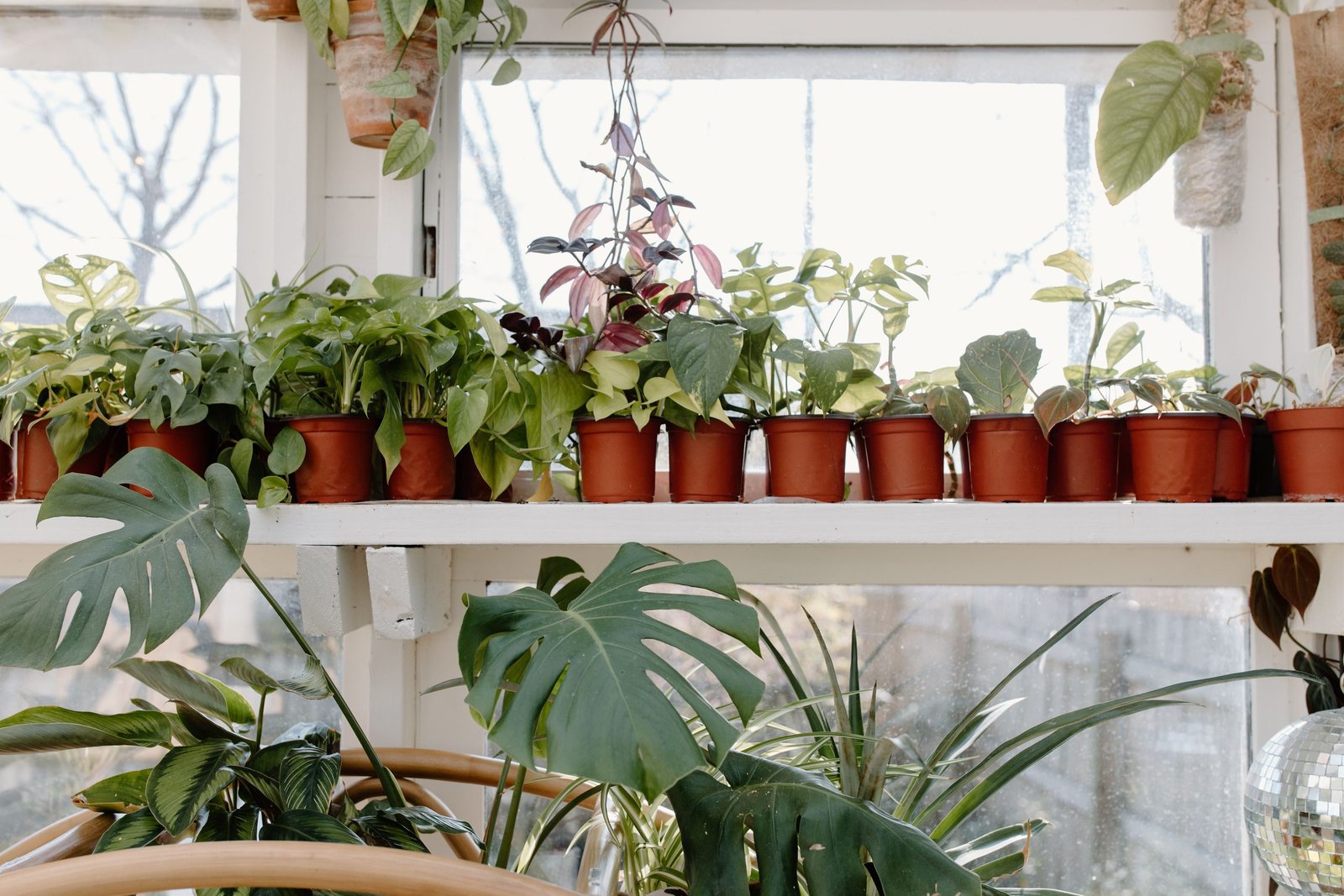
Indoor plants bring natural colour and texture to a room without requiring an outdoor garden. A sunny windowsill, bookcase, or spare corner may be all the space you need.
- Use shelves and hanging planters to save floor space.
- Choose slow-growing or compact varieties for desks and side tables.
- Mix leaf shapes and heights for visual interest.
- Start with one or two plants and learn how they respond to your home.
Not every houseplant stays small, and not every apartment gets strong sunlight. Always consider a plant’s mature size and natural-light requirements before buying it.
The 10 Best Indoor Plants for Small Apartments
1. Snake Plant — Best for Narrow Corners
Scientific name: Dracaena trifasciata
Tall, upright leaves make snake plants useful in narrow spaces beside furniture or desks. The architectural foliage works especially well in modern, uncluttered rooms.
- Light: Bright indirect light is ideal; established plants can tolerate lower light.
- Watering: Allow the potting mix to dry thoroughly before watering again.
- Best location: Corners, shelves, and side tables.
- Beginner tip: Overwatering is a common cause of trouble; always check the soil.
- Pet safety: Toxic to cats and dogs if eaten.
2. Golden Pothos — Best for Hanging Planters
Scientific name: Epipremnum aureum
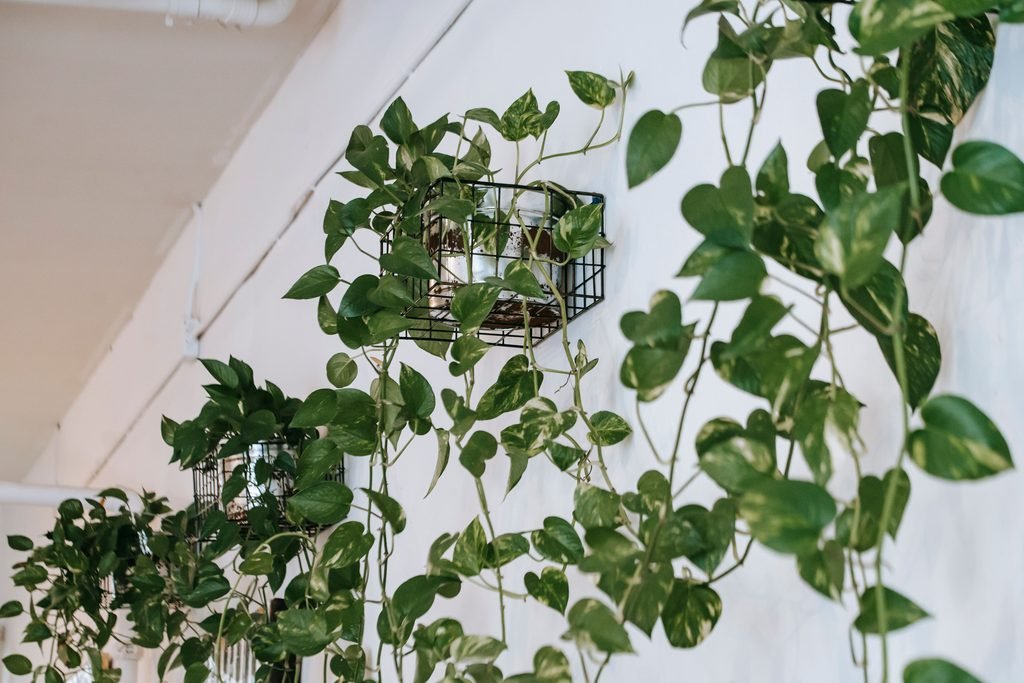
Golden pothos is a trailing vine with heart-shaped leaves, often marked with yellow or cream. Trim its vines to keep growth manageable on a shelf or in a hanging basket.
- Light: Medium to bright indirect light; it can tolerate lower light with slower growth.
- Watering: Water once the upper layer of potting mix feels dry.
- Best location: Bookshelves, hanging baskets, and elevated planters.
- Beginner tip: Rotate the pot occasionally for more balanced growth.
- Pet safety: Toxic to cats and dogs if chewed.
3. ZZ Plant — Best for Busy People
Scientific name: Zamioculcas zamiifolia
The ZZ plant has shiny, upright foliage and tolerates less frequent watering than many tropical houseplants. It is a practical choice for someone with a busy schedule.
- Light: Low to bright indirect light; growth is generally better with adequate indirect light.
- Watering: Let the mix dry between waterings; avoid waterlogged roots.
- Best location: Home offices and rooms with indirect natural light.
- Beginner tip: Choose a pot with drainage holes.
- Pet safety: Toxic to cats and dogs if eaten.
4. Spider Plant — Best for Beginners with Pets
Scientific name: Chlorophytum comosum
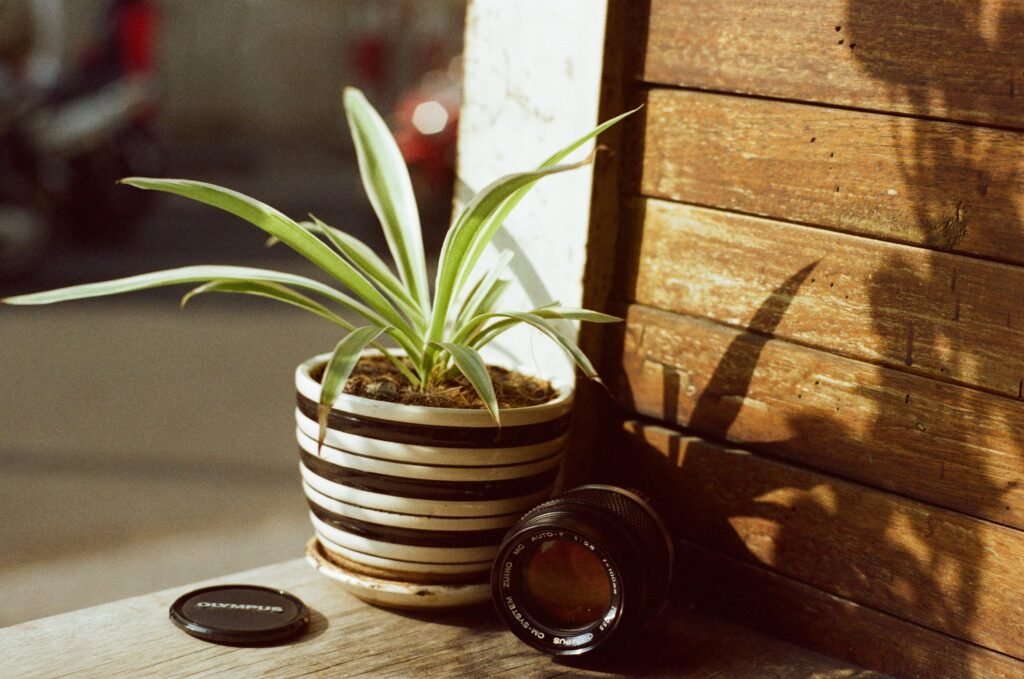
Spider plants have arching striped leaves and sometimes produce baby plantlets. They fit beautifully into hanging baskets, on shelves, or on plant stands.
- Light: Bright indirect light.
- Watering: Water when the top part of the mix begins to dry.
- Best location: Hanging baskets and bright living rooms.
- Beginner tip: Brown tips can have several causes; do not leave roots standing in water.
- Pet safety: Listed by the ASPCA as non-toxic to cats and dogs.
5. Parlor Palm — Best for a Cozy Living Room
Scientific name: Chamaedorea elegans
Parlor palms add a soft, tropical feel with feathery fronds. Young plants can fit on tables or stands, though their size can increase gradually over time.
- Light: Medium to bright indirect light; it can tolerate lower light.
- Watering: Water when the upper part of the soil begins drying.
- Best location: Living rooms and bright corners away from harsh direct sun.
- Beginner tip: Keep away from cold drafts and hot heating vents.
- Pet safety: Listed by the ASPCA as non-toxic to cats and dogs.
6. Baby Rubber Plant — Best for Desks
Scientific name: Peperomia obtusifolia
The baby rubber plant has thick, glossy leaves and a compact habit. It is different from the larger rubber tree and suits desks, countertops, and compact shelves.
- Light: Bright indirect light.
- Watering: Allow the upper mix to dry before watering.
- Best location: Desks, side tables, and small bright shelves.
- Beginner tip: Use a small pot with good drainage.
- Pet safety: Listed by the ASPCA as non-toxic to cats and dogs.
7. Cast Iron Plant — Best for Lower-Light Rooms
Scientific name: Aspidistra elatior
With long, dark green leaves, cast iron plants can handle less-than-ideal indoor growing conditions. Small specimens suit apartment corners; mature plants may become wider.
- Light: Low to medium indirect light.
- Watering: Allow the upper soil to dry somewhat between waterings.
- Best location: Shaded corners that still receive some natural light.
- Beginner tip: Avoid strong direct sunlight.
- Pet safety: Listed by the ASPCA as non-toxic to cats and dogs.
8. Heartleaf Philodendron — Best for Small Shelves
Scientific name: Philodendron hederaceum
This trailing plant has glossy heart-shaped leaves. It can hang from a shelf or climb a support, and pruning helps limit the length of the vines.
- Light: Medium to bright indirect light.
- Watering: Water when the top layer of soil becomes dry.
- Best location: Bookshelves and hanging planters.
- Beginner tip: Wipe dusty leaves gently so they can absorb available light.
- Pet safety: Toxic to cats and dogs if eaten.
9. Chinese Evergreen — Best for Decorative Leaves
Scientific name: Aglaonema species
Chinese evergreens offer attractive foliage in green, silver, cream, or pink. Choose a compact cultivar for a desk or living-room plant stand.
- Light: Medium indirect light; brightly patterned varieties may need brighter indirect light.
- Watering: Water when the upper soil begins to dry.
- Best location: Desks and living-room plant stands.
- Beginner tip: Protect against chilly windows and sudden temperature changes.
- Pet safety: Toxic to cats and dogs if eaten.
10. Hoya Carnosa — Best for Bright Shelves
Scientific name: Hoya carnosa
Hoya carnosa, or wax plant, has trailing stems and firm, waxy leaves. Mature plants may bloom when growing conditions are suitable.
- Light: Bright indirect or filtered light.
- Watering: Water moderately after the mix partly dries; do not leave waterlogged.
- Best location: Bright shelves and hanging planters.
- Beginner tip: Use a free-draining mix and avoid repotting more often than necessary.
- Pet safety: Listed by the ASPCA as non-toxic to cats and dogs.
How to Choose the Best Indoor Plants for Small Apartments
Check Your Natural Light
A bright room with large windows can support different plants from a room that receives little daylight. Snake plants, ZZ plants, and cast iron plants tolerate lower light, but low light does not mean no light. If a room has almost no daylight, consider an appropriate grow light.
Match Plants to Your Routine
If you travel frequently or work long hours, plants that tolerate drying between waterings may be easier to maintain. If you enjoy checking soil moisture and observing growth, consider a spider plant or parlor palm.
Consider Your Pets
Pet safety is especially important in small homes where curious cats or dogs can easily reach plants.
The ASPCA lists spider plants, parlor palms, baby rubber plants, cast iron plants, and Hoya carnosa as non-toxic to cats and dogs. Snake plants, pothos, ZZ plants, philodendrons, and Chinese evergreens can cause problems if swallowed.
Always check the exact botanical name before purchasing. Consult the ASPCA Toxic and Non-Toxic Plants Database. Even non-toxic plants can upset a pet’s stomach if eaten.
Five Simple Indoor Plant Care Tips for Apartment Living
1. Do Not Overwater
Check the soil before reaching for the watering can. Constantly saturated potting mix may damage roots, especially in a container without drainage.
2. Choose Pots with Drainage
Drainage holes let excess water escape. Decorative cachepots are fine as outer covers, but empty standing water after watering.
3. Watch for Winter Drafts and Heating
In Canadian winters, shorter days, cold windows, and indoor heating can change plant needs. Keep sensitive houseplants away from cold drafts and hot air vents, and adjust watering to how quickly the soil actually dries.
4. Use Vertical Space
Shelves and hanging planters can hold attractive plants without using valuable floor area. Put each plant where it can receive appropriate light, rather than choosing a spot based on decoration alone.
5. Start Small and Build Confidence
Begin with one or two plants, learn how they respond to your apartment, and add more once you understand your lighting and watering conditions.
For another beginner-friendly introduction, see our earlier guide: 5 Easy Indoor Plants for Small Spaces.
Frequently Asked Questions
What are the best indoor plants for small apartments with limited sunlight?
Snake plants, ZZ plants, and cast iron plants tolerate lower-light conditions. However, none can thrive indefinitely in complete darkness, and growth may be slow in dim rooms.
What is the easiest indoor plant for a beginner?
Snake plants and ZZ plants are often practical beginner choices where pets cannot access them, because they tolerate drying between waterings. The easiest plant still depends on your light and indoor temperature.
Which houseplants are better choices for apartments with cats?
Spider plants, parlor palms, baby rubber plants, cast iron plants, and Hoya carnosa are listed as non-toxic to cats by the ASPCA. Confirm the exact species before bringing any plant home.
Can houseplants survive Canadian winters?
Yes. Many indoor tropical plants can live through winter, although reduced daylight and indoor heating may slow growth or change watering needs. Protect plants from cold windows and vents.
Helpful Supplies for Small Apartment Plants
If you are arranging greenery in a compact room, choose accessories that fit your floor space and your plants’ light needs. A slim, stable stand can make better use of an empty corner, while a suitable grow light may help where natural light is limited.
- Compact plant stand: Look for sturdy shelves with enough space for drainage trays and mature plants. Compare the Simple Trending 3-tier metal corner plant stand (paid Amazon affiliate link); measure its footprint and confirm load and stability instructions.
- Indoor grow light bulbs: Check the fixture, room, plant and expected light coverage before buying. One product option is SANSI 10W full-spectrum E26 grow light bulbs (2-pack; paid Amazon affiliate link). These are bulbs, not complete lamps; use a compatible fixture and follow the manufacturer’s clearance and safety directions.
Affiliate disclosure: The Amazon links above are paid affiliate links. As an Amazon Associate I earn from qualifying purchases. Product availability and prices may change. See our Affiliate Disclosure.
Final Thoughts
You do not need a large home to grow plants. The best indoor plants for small apartments are those that fit your available space, light, routine, and household—including any pets.
Start with a manageable plant, learn what works in your home, and build a little green corner over time. Explore more beginner-friendly ideas in our Indoor Plants guides.