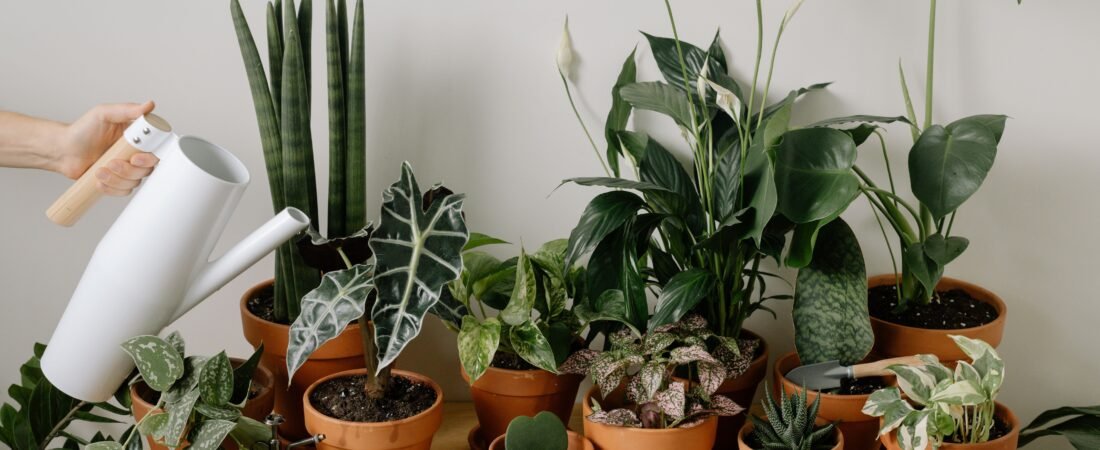
You don’t need a big backyard to enjoy gardening. A sunny windowsill, a small balcony, or even a quiet corner of your apartment can become a beautiful green space.
Small space gardening for beginners is all about making the most of what you already have. With the right plants, simple containers, and a manageable care routine, you can start growing greenery without spending much money or taking up too much room.
Whether you live in an apartment, condo, or small home, this step-by-step guide will help you create a garden that fits your space and lifestyle.
1. Find the Best Spot for Your Garden
Before buying plants, take a look around your home.
Small space gardening for beginners starts with understanding your available sunlight, choosing suitable plants, and creating a simple growing routine.
Good places to start include:
- A bright windowsill
- A small apartment balcony
- A sunny kitchen corner
- A shelf near a window
- A patio or small outdoor area
Understand Your Sunlight
Different plants need different amounts of light.
Full sun: Generally six or more hours of direct sunlight daily. Ideal for many herbs, tomatoes, and flowering plants.
Partial sun: Around four to six hours of direct sunlight. Suitable for many container plants.
Bright indirect light: A well-lit area without prolonged direct sun hitting the leaves. Great for many tropical houseplants.
For more information about choosing the right light for your plants, read the University of Minnesota Extension’s guide to indoor plant lighting.
A little planning now can save you from struggling with plants later.
2. Small Space Gardening for Beginners: Choose Easy-to-Grow Plants
One of the biggest mistakes beginners make is buying too many plants at once.
Instead, start with two or three varieties that suit your available light.
Easy Indoor Plants
Some beginner-friendly choices include:
- Pothos
- Snake plant
- Spider plant
- ZZ plant
- Heartleaf philodendron
These plants are popular because they can adapt to many indoor environments when given appropriate care.
Easy Balcony Plants
For a balcony with enough sunlight, consider:
- Basil
- Mint
- Chives
- Lettuce
- Marigolds
Keep in mind that different plants need different growing conditions. For example, basil generally prefers plenty of direct sunlight, while lettuce can benefit from afternoon shade during hot weather.
Beginner tip: Choose plants based on your lighting conditions rather than appearance alone.
For more ideas, explore our Indoor Plants section.
3. Choose Containers That Fit Your Space
You don’t need expensive gardening equipment to get started.
Ordinary plant pots, window boxes, and hanging planters can work beautifully in small spaces.
Look for containers that offer:
- Enough room for the roots
- Drainage holes for excess water
- Appropriate size for the plant
- A shape that fits your available space
Why Drainage Matters
When water cannot escape from a container, roots may remain too wet, increasing the risk of root rot.
For most beginner-friendly potted plants, use containers with drainage holes and a suitable saucer to catch excess water indoors.
Avoid leaving pots sitting in collected water for long periods.
If you are gardening on a balcony, make sure water drains safely without dripping onto neighbours below.
Explore our Container Gardening section for more growing ideas.
4. Use Vertical Space to Grow More Plants
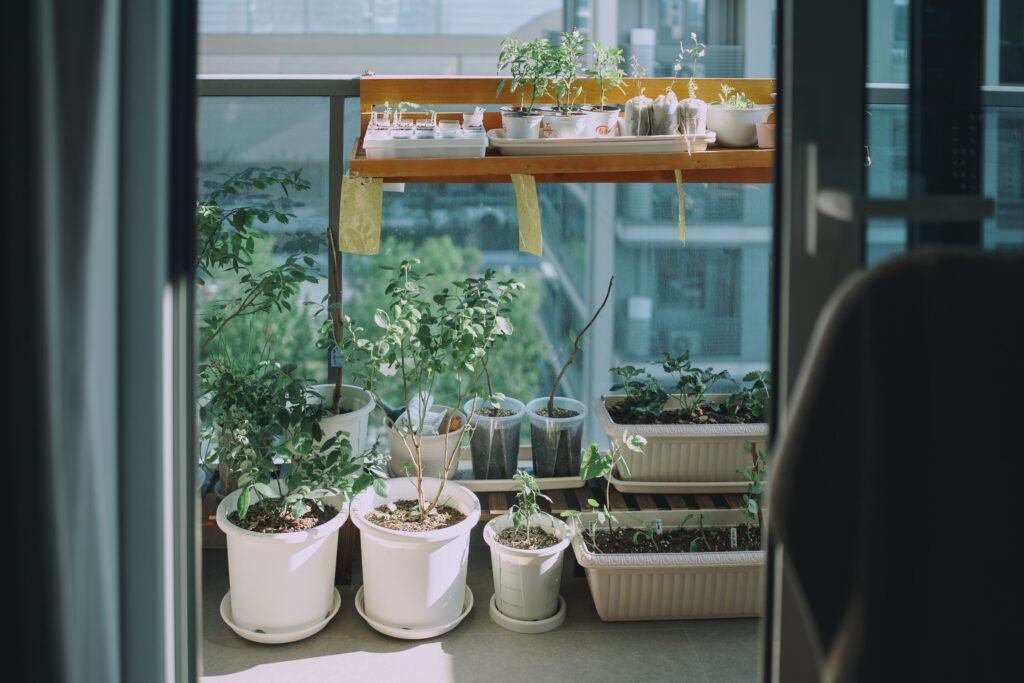
When floor space is limited, think upward.
Vertical gardening allows you to create a small green collection without crowding your room or balcony.
You can use:
- Wall-mounted plant holders
- Hanging baskets
- Narrow plant shelves
- Stackable planters
- Balcony railing planters designed for secure installation
A simple shelving unit can transform an empty corner into a compact indoor garden.
For safety, make sure shelves are stable, wall fixtures are properly secured, and balcony planters cannot fall or create drainage problems.
Small-space tip: Keep larger plants near the bottom of a shelf and smaller plants higher up so that every plant has enough light.
5. Choose the Right Potting Mix
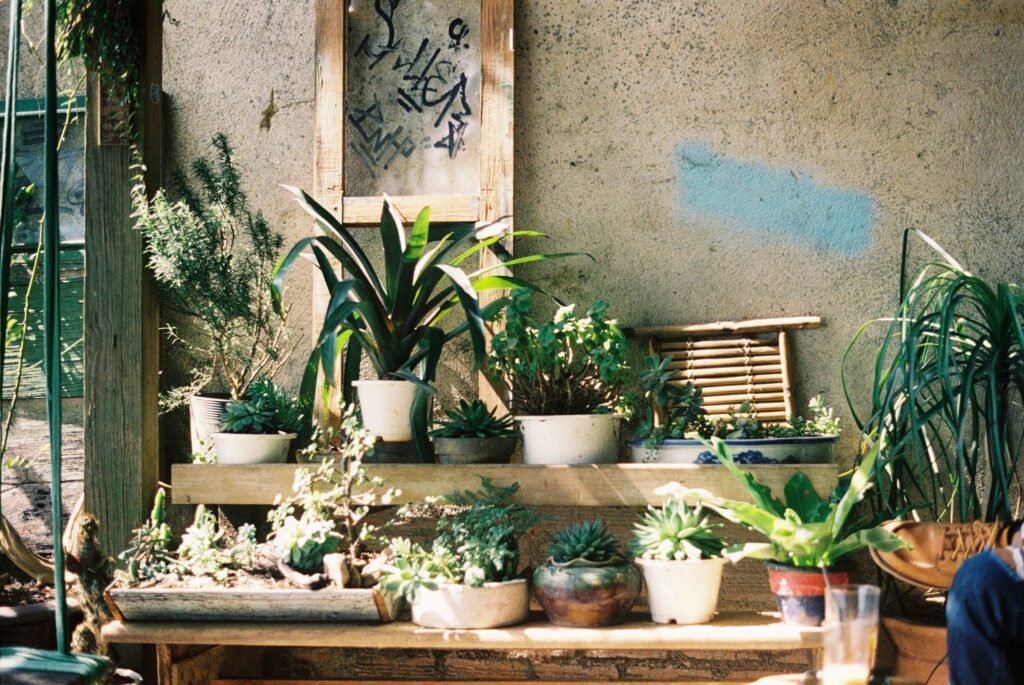
Healthy plants start with a growing medium suited to their needs. Choosing the correct potting mix is an important part of small space gardening for beginners because healthy roots need proper drainage and airflow.
Regular garden soil is often too dense for containers. Instead, use a potting mix designed for potted plants.
Different plants may require different mixes.
Tropical houseplants: Many thrive in an airy, well-draining indoor potting mix.
Succulents and cacti: Usually benefit from a faster-draining mix.
Vegetables and herbs: Often grow well in a quality container potting mix that retains some moisture while allowing excess water to drain.
Avoid packing the soil too tightly around the roots.
The goal is to provide a balance of air, moisture, and support.
6. Learn How to Water Properly
Watering is one of the most important gardening skills to learn.
However, there is no single watering schedule that works for every plant.
How often you water depends on the plant, pot size, temperature, humidity, season, and growing medium.
The Finger Test
For many common houseplants, you can check moisture by placing your finger about an inch into the soil.
If the top layer feels dry, check whether the particular plant is ready for water.
Some plants prefer their soil to dry out more between waterings, while others need more consistent moisture.
When watering, thoroughly moisten the potting mix and allow excess water to drain.
Beginner tip: Check soil moisture instead of automatically watering every day.
For more advice, visit our Plant Care section.
7. Make a Simple Plant Care Routine
A small garden should be relaxing, not stressful.
You don’t need to spend hours caring for your plants.
A simple weekly routine can make a big difference.
Your Weekly Gardening Checklist
- Check soil moisture.
- Inspect leaves for pests or discoloration.
- Remove dead or damaged leaves.
- Make sure each plant receives enough light.
- Empty excess water from indoor saucers.
- Rotate indoor pots occasionally if plants lean toward the window.
Every few weeks, also check whether your plants need feeding, pruning, or a larger container.
During spring and summer, many plants grow more actively and may need additional care.
During winter, slower growth often means reduced watering and less frequent fertilizing.
The most important habit is to observe your plants regularly.
8. Avoid These Common Beginner Mistakes
Everyone makes gardening mistakes, especially when starting out.
The good news is that many problems are easy to prevent.
Buying Too Many Plants
Start small. Learning to care for a few healthy plants is better than struggling with a crowded collection.
Overwatering
Too much water can be just as damaging as too little. Always check soil moisture and plant requirements first.
Choosing the Wrong Location
A low-light corner is not suitable for every plant. Match the plant to the available light.
Using Pots Without Drainage
For most beginner container gardens, drainage holes make watering much easier to manage.
Forgetting About Plant Growth
A tiny plant may eventually become much larger. Consider its mature size before choosing a permanent location.
Remember that gardening is a learning experience. Every new leaf teaches you something about what works.
9. Create a Garden on a Small Budget
Starting a garden doesn’t have to be expensive. Small space gardening for beginners can be affordable when you start with a few plants, reuse suitable containers, and gradually expand your garden.
You can save money by:
- Reusing suitable containers with drainage holes
- Growing herbs from seeds
- Propagating suitable plants from cuttings
- Buying smaller plants instead of mature ones
- Using shelves and planters you already own
- Sharing cuttings with friends or neighbours
You can also begin with one healthy plant and gradually expand your collection.
If you have a balcony, read our Balcony Gardening section for practical ideas for limited outdoor spaces.
10. Grow at Your Own Pace
The best small garden is one that fits your daily routine.
You don’t need a perfect setup, expensive accessories, or dozens of plants.
Start with one corner, learn what grows well there, and make improvements over time.
You might begin with a pothos beside your desk, a few herbs on your kitchen windowsill, or a small collection of flowering plants on your balcony.
As your confidence grows, you can experiment with new varieties and creative plant arrangements.
The goal isn’t to create the biggest garden. It’s to create a little space that makes your home feel more alive.
Frequently Asked Questions About Small Space Gardening
Can I start gardening in an apartment without a balcony?
Yes. Many houseplants grow successfully indoors when they receive suitable light, water, and growing conditions. A bright windowsill or a plant shelf near a window can be a great starting point.
What are the easiest plants for beginners?
Pothos, snake plants, spider plants, and ZZ plants are popular beginner-friendly indoor choices. For sunny outdoor containers, herbs such as basil and chives can also be good options.
How many plants should a beginner start with?
Two or three plants are enough to begin learning basic plant care without feeling overwhelmed.
Do I need special gardening tools?
Not necessarily. A watering can, suitable potting mix, containers with drainage holes, and a small pair of pruning scissors are enough for many beginner projects.
Can I grow vegetables in a small space?
Yes. Many vegetables and herbs can grow in containers when they have enough light, root space, water, and nutrients. Lettuce, radishes, and certain compact tomato varieties are popular options.
Small-Space Gardening Supplies to Consider
A few well-chosen accessories can help organize plants in tight spaces. Choose them after checking the light, available floor space and watering needs of your plants.
- Vertical plant shelving: Look for narrow, sturdy shelves that keep walkways clear and support the weight of fully watered pots. Bamworld three-tier wooden plant stand (paid link).
- Planters with drainage trays: Choose appropriately sized containers with drainage holes and trays that protect indoor furniture or nearby surfaces. Bleuhome 6-inch plant saucers (6-pack) (paid link).
Affiliate disclosure: The Amazon links above are paid affiliate links. As an Amazon Associate I earn from qualifying purchases. Product availability and prices may vary.
Final Thoughts
Small space gardening for beginners doesn’t need to be complicated.
With a little sunlight, the right containers, and a simple care routine, even the smallest home can become a welcoming green space.
Start small, stay curious, and enjoy the process of watching your plants grow.
You don’t need more space to start growing. You just need to make the most of the space you have.