
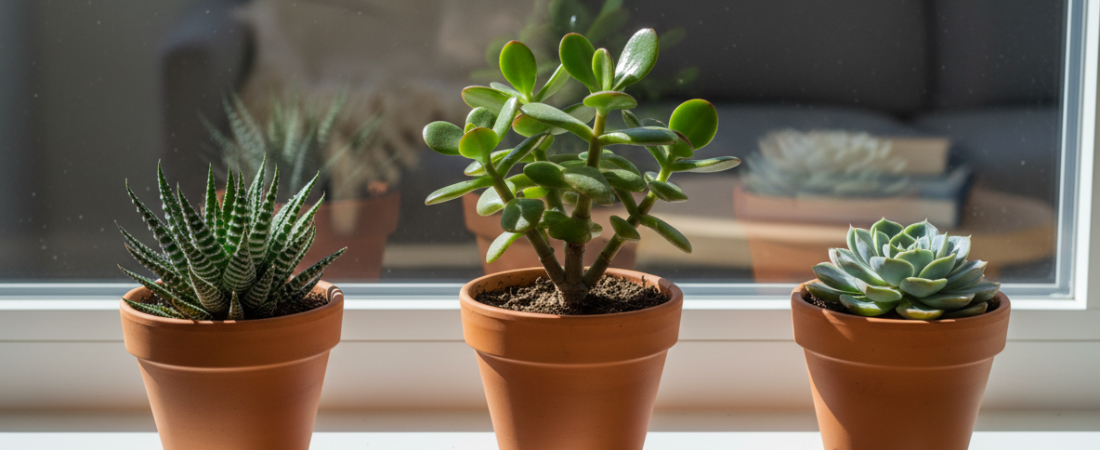
A sunny windowsill can be a miniature garden if you choose plants that enjoy stronger light and protect their roots from extremes.
Before you begin
Track how long direct sun reaches the sill. South- and west-facing glass can become much hotter than the room, especially during summer.
Practical steps for a small space
1. Try light-loving compact plants
Haworthia and some echeverias can suit bright positions, though individual species differ. Small culinary herbs may also work when light is strong enough.
2. Acclimate gradually
A plant from shaded store shelves may scorch if placed immediately in intense sun. Introduce direct exposure over several days.
3. Monitor temperature swings
Keep foliage away from freezing glass in winter. On very hot days, shade sensitive plants or pull them slightly back from the pane.
4. Use secure containers
Choose pots that cannot topple when a window opens. Protect wooden sills with removable trays and empty standing water promptly.
5. Check water more often in heat
A tiny sunlit pot can dry quickly. Inspect the mix instead of assuming a fixed watering frequency.
Common mistake to avoid
Do not call every cactus or succulent ‘full-sun proof’; some scorch behind glass. Identify the plant before deciding on exposure.
A simple plan for this week
This week’s windowsill check: observe the same spot in morning and afternoon, touching the outside of each pot only to gauge heat safely and checking whether leaves show stress. Start with one plant known to tolerate that level of sun, keep its container draining, and move it away from freezing glass during cold nights. Record drying time for the potting mix; a small container in strong sun may need more frequent inspection than a larger one.
How to avoid overheating a sunny windowsill plant
A sunny window can give a compact plant excellent light, but strong glass-filtered sun can also heat leaves, dry small containers rapidly and create sharp day-night temperature swings. The best location depends on the plant species and the season, not simply the direction of the window.
Watch the position for a full day before setting a plant against the glass. South- and west-facing windows in particular can feel much hotter at the leaf surface than the rest of the room.
- Succulents: many prefer strong light but still need acclimation when moving from a dim shop to intense direct sunlight.
- Small herbs: basil may do well with sufficient warmth and light, but it needs more consistent moisture than drought-tolerant succulents.
- Compact foliage plants: some peperomias prefer bright indirect rather than harsh direct rays; use a little distance from the glass or a sheer curtain where appropriate.
- Cold nights: move sensitive foliage away from freezing window glass and drafts in winter.
- Watering: tiny pots lose moisture quickly and must drain freely. Check before watering rather than leaving water pooled in a decorative saucer.
Try a two-week comparison: keep notes on leaf colour, new growth and how quickly a container dries. If bleached patches appear, reassess the intensity before feeding. Read east-facing window plant options and assessing window light.
Find out how strong the sunlight really is
A bright windowsill can be very different from an open balcony. Glass may intensify heat around the leaves, while a wide overhang can reduce how many hours of direct light the pot receives. Check the window at several points in the day and note when the sun hits each end of the sill. A south-facing window in one apartment may be partially shaded by another building. The plant must match the actual light, not just the direction printed on a guide.
Touch the outer container carefully after a sunny afternoon to gauge whether the area is heating up, and check for strong drafts when the window opens. Avoid placing leaves directly against glass that becomes very cold overnight or hot at midday. If the sill is narrow, measure the footprint of the pot before buying it. There should be enough room to move curtains or blinds without knocking a plant over.
Five compact plants to consider
Haworthia can be an attractive small succulent for a bright indoor spot, but many varieties prefer bright filtered light rather than harsh midday sun. A rosette may change color or scorch if you move it directly from a shaded shop to a hot windowsill. Introduce stronger light gradually and observe the foliage. It does not need daily watering simply because it sits in sunshine; potting mix and root condition should guide your routine.
Echeveria varieties often need stronger light to keep their compact shape, making a bright window a possible home when their temperature and drainage needs are met. A plant that stretches upward may be seeking more light, while pale scorched patches suggest too much sudden exposure. Choose a pot sized for the roots and avoid letting water collect around the leaf rosette. Not all succulents have identical needs, even when they look similar at a glance.
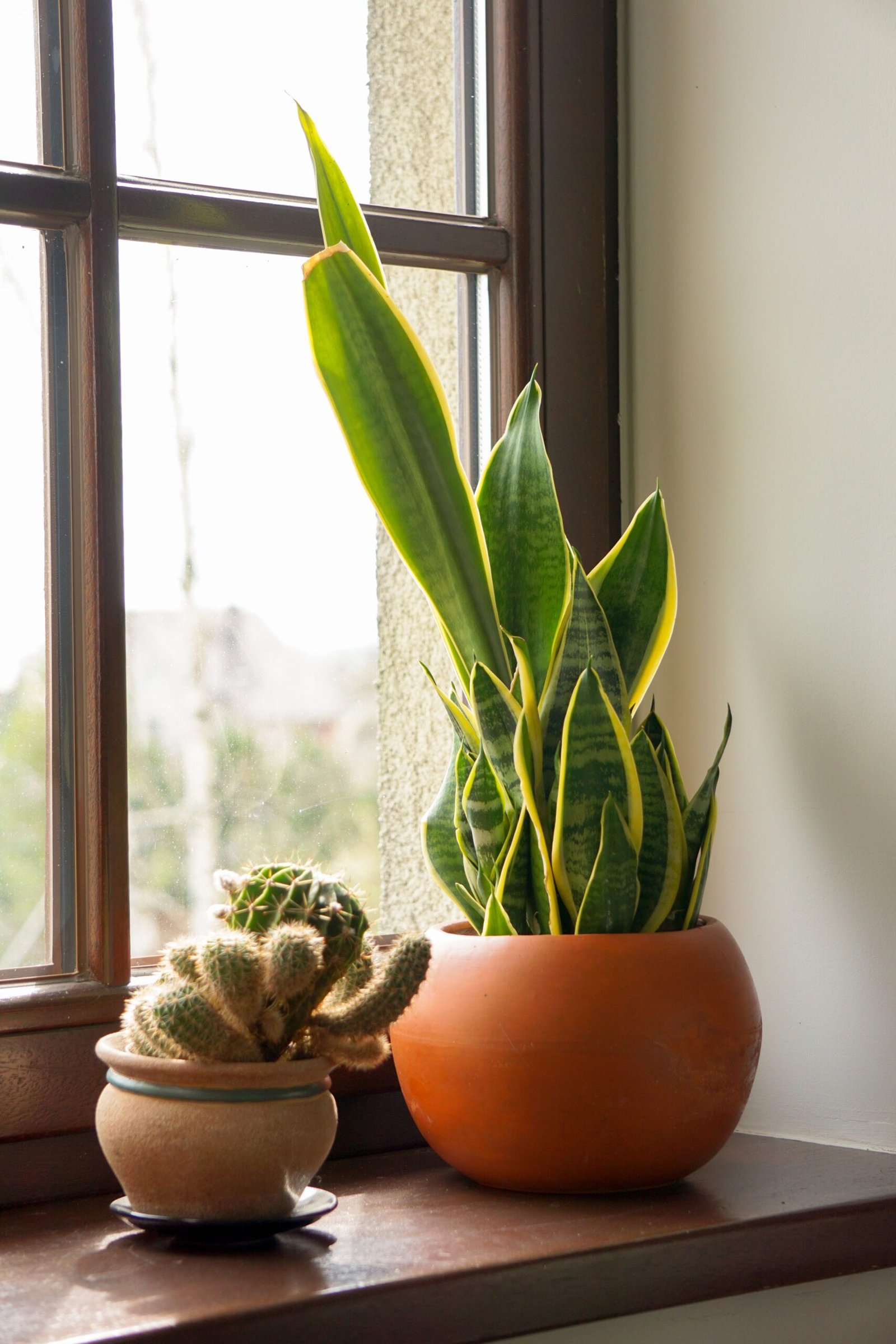
A small aloe or suitable cactus can work near a sunny window, provided the species tolerates your light and your home stays within its temperature range. Some cacti can become much larger or spiny, so consider where hands, pets or children may pass. A compact snake plant is more forgiving of a range of light conditions, but it does not need to be pressed against the hottest pane of glass. It is also toxic if chewed by pets.
Herbs are another possibility if the window receives adequate direct sun. Chives or a small basil plant may provide a useful harvest, but basil often grows poorly in cold conditions or weak winter light. Unlike many drought-tolerant succulents, edible herbs may need more frequent moisture checks and additional nutrients as they grow. Keep them in separate containers with suitable mixes instead of combining plants that require very different watering habits.
Three ways to arrange a miniature windowsill garden
Start with two pots rather than filling the entire sill. Place the sunniest candidate in the brighter position and a plant that prefers filtered light farther from direct rays, provided the space is still bright enough. Keep leaves from touching hot or cold glass, and use stable containers with drainage. A small arrangement leaves room to check each pot individually and makes it easier to notice changes in growth.
If you want more visual interest, vary leaf shapes rather than collecting five different pots of the same size. Pair an upright narrow plant with a low rosette and a compact leafy herb in an adjacent spot. Repeat two container colors for a calm look. Keep plants clear of handles, blinds and any sash that opens inward. A beautiful arrangement becomes frustrating when you have to move every pot to ventilate the room.
A wide kitchen window can support a small cooking-herb collection when sunlight is sufficient. Set a pot of basil where it gets warmth and strong light, while chives may tolerate a slightly different exposure. Leave a tray under each draining pot and keep them away from food preparation areas where soil could spill. If edible plants do not grow well, the answer may be more light rather than a larger planter.
Watering, potting mix and heat management
The sun can dry small containers quickly, but drought-tolerant plants should not be watered automatically every time the surface looks pale. Learn how the pot feels when freshly watered and when the mix has dried to the degree suitable for that species. Use a fast-draining medium for succulents and a suitable container mix for herbs. Avoid ordinary dense garden soil in small indoor pots, since it often holds moisture poorly for container growing.
In a warm spell, inspect leaves for yellowing, dry tips or sunscald. A sheer curtain or moving the pot a little farther back can reduce harsh exposure without sending the plant into darkness. Do not leave containers in standing water or assume misting will fix a heat problem. Some plants respond well to gradual adjustment, while others may need a different window altogether. The best position is one that supports steady, healthy growth.
A two-week experiment before buying more plants
Try growing just one compact succulent and one herb in separate containers, if your light conditions suit both. Make a quick note of how many hours each receives direct light, when the potting mix dries and whether the leaves remain healthy. Photograph both plants from the same angle every few days. If one looks stressed, investigate its conditions and change only one factor at a time so you can learn what helps.
Compare a leaf near the glass with one facing the room. If only the window-facing side develops pale patches after a hot morning, try a little more distance from the pane. Check the temperature again when the curtains close at night.
Frequently asked question
Can herbs grow on a sunny windowsill?
Yes, when the window supplies sufficient light; weak growth may indicate a need for supplemental lighting.
Keep learning
Explore our Indoor Plants collection and the 10 Best Indoor Plants for Small Apartments guide for more ideas. For general plant placement and care, see Oregon State University Extension.