
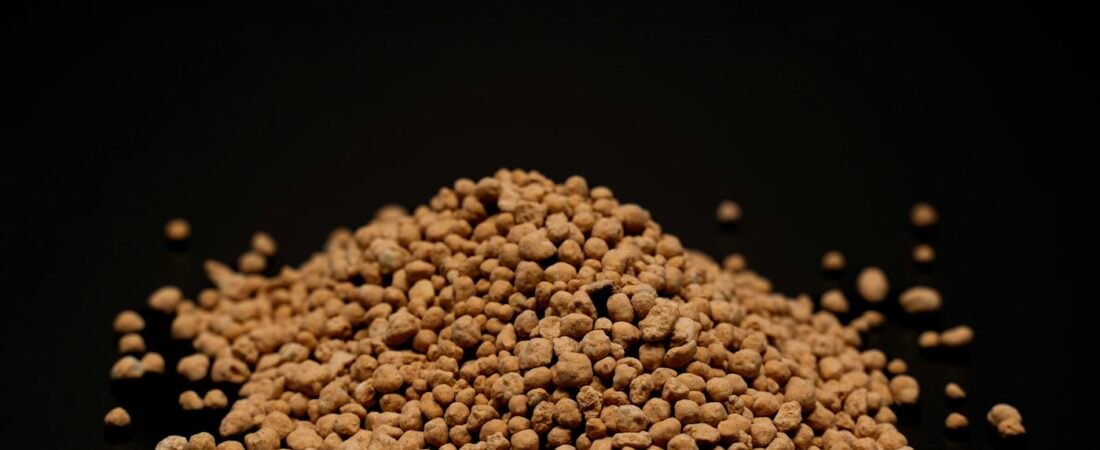
Potted plants depend on a limited volume of growing medium, so nutrients can eventually run low. More fertilizer is not always better and can injure roots.
First, check the growing conditions
Read whether your potting mix already contains fertilizer and identify the plant’s current growth stage. Use a product labeled for that plant or crop.
Step-by-step plant care
1. Choose the right product
An all-purpose houseplant fertilizer may suit foliage plants, while edible crops need products labeled for food gardening. Follow the stated dilution and frequency.
2. Feed during active growth
Plants usually use nutrients most when making new foliage, flowers or fruit. Slow-growing plants in dim winter conditions often need less.
3. Measure accurately
Use the manufacturer’s measuring instructions; do not guess with a large splash of concentrate. More is not an effective cure for poor light.
4. Water and drainage still matter
Roots require moisture and oxygen to use nutrients. Correct soggy or bone-dry potting mix before trying fertilizer as a solution.
5. Watch for salt buildup
White crust, leaf burn or deteriorating roots can have multiple causes, including excess fertilizer. Review the feeding history and flush appropriate pots when advised.
Mistake to avoid
Do not fertilize heavily a wilted plant with possible root rot. Investigate roots, moisture, temperature and light first.
A practical care habit
Make a quick note of the plant’s location, pot size and last watering. Change only one factor at a time whenever possible; this makes the outcome easier to judge and helps you build a routine based on real conditions.
How to read fertilizer labels without overfeeding
Container plants have limited root volume, but that does not mean every pot needs fertilizer every week. The right amount depends on the plant, its growing season, the product concentration and whether the potting mix already contains slow-release nutrients.
Start with the label: N-P-K numbers describe the relative proportions of nitrogen, phosphorus and potassium. A higher number is not automatically a better choice for a small houseplant.
- Check for existing feed: some commercial potting mixes already contain fertilizer. Read the bag so you don’t immediately double up after repotting.
- Follow the crop-specific label: dilution and application intervals vary among products. Measure rather than guessing with a bottle cap.
- Feed during active growth: plants growing slowly in a dim winter room usually need much less fertilizer than actively growing summer vegetables.
- Watch for excess salts: white crust at the soil surface, scorched leaf edges or roots in poor condition can indicate overfeeding, though these symptoms have other causes too.
- Protect roots: never assume fertilizer repairs root rot, severe drought stress or inadequate light. Correct the growing condition first.
Small-space example: when a newly repotted plant has fresh mix containing starter nutrients, record the date and review the label before giving extra liquid feed. For yellowing foliage, diagnose water and light before reaching for fertilizer: read eight causes of yellow leaves and the potting-mix guide.
Frequently asked question
How often should indoor plants be fertilized?
Follow the product label and adjust for growth rate, season and plant species.
Keep learning
Read more in our Plant Care section and indoor plant care for beginners. For identification and basic houseplant care, consult Oregon State University Extension.