
A small garden does not need a garage full of equipment. Whether you are growing two houseplants or a few herbs on a balcony, a carefully chosen collection of basic supplies is easier to store, use and clean than a pile of gadgets. The most important items are those that solve actual problems: giving roots room, keeping water under control and making everyday plant care straightforward.
This small-space gardening supplies checklist covers five essentials for beginners, plus ways to decide what can wait. Start with your plants and living conditions before shopping. A compact kitchen windowsill needs a different setup from a windy balcony growing large vegetables in containers.
Match Gardening Supplies to Your Space and Plants
The first question is what you want to grow. A small tropical houseplant needs different light and moisture conditions from a tomato plant or a pot of rosemary. Choose your basic materials after reading the plant’s mature size and growing requirements, not before. If you live in a small apartment, think about where the supplies will be stored as well as where the plant will grow.
Measure the available shelf, windowsill or balcony space. Leave room to reach the plants, keep exits open and clean any spilled water or soil. In a rental, check building rules before putting heavy planters outside, using hose attachments or installing shelves. You may not need a stand at all if one stable surface already has enough appropriate light.
Set a modest budget and choose a small group of reusable essentials. Spending less at the beginning also makes it easier to change direction if you discover that a different plant type suits your home better.
5 Useful Gardening Essentials for Small Homes
Most beginners can start with draining containers, appropriate potting mix, a controlled way to water, a couple of simple hand tools and somewhere safe to store supplies. Specialised equipment only becomes worthwhile when you know what it will improve. For example, a grow light may be helpful in an apartment with inadequate daylight, but it cannot correct a pot with no drainage.
Do not treat this list as a requirement to buy everything in one trip. Look around your home for usable items first, provided they are safe for the task. Purchase the right pot and growing medium for the plant you intend to keep, then add other supplies as the need becomes clear. A small, organised setup makes regular checks easier.
1. Start With Pots That Have Working Drainage
Choose containers with enough root space for the eventual plant size and openings that allow excess water to leave. A removable nursery pot inside a decorative cover often works better than planting directly into a sealed vase. If the outer cover collects water, empty it after watering so that roots are not continually submerged. Check that saucers are large enough to catch ordinary drips without encouraging standing water.
For edible balcony crops, consider the mature root system and the full weight of wet potting mix. A large pot may improve root room and moisture stability, but it must fit safely in the space and comply with balcony load restrictions. The guide to choosing pot sizes for herbs and vegetables can help you plan before buying containers.
2. Use Potting Mix That Suits the Crop
Container plants need a growing medium that holds some moisture while allowing air around the roots. Heavy soil taken straight from an outdoor garden can compact and drain poorly in small pots, so a suitable packaged potting mix is generally a more practical starting point. Read labels and choose a formulation intended for the plants you want to grow. Succulents and other species that prefer particularly free-draining conditions may require a different medium from thirsty vegetables.
Buy only what you can use and store properly. Keep bags sealed or covered and away from moisture and contamination. Avoid assuming that extra fertiliser will make up for poor drainage or lack of light. A simple, appropriate growing mix paired with a suitable pot is usually a more valuable investment than decorative extras.
3. Keep One Easy-to-Control Watering Tool
A small watering can with a narrow spout can help you direct water toward the potting mix without splashing furniture or sending runoff over a balcony edge. Choose a size that is comfortable to lift when full. If you keep only a few small pots, a large watering jug may be awkward and unnecessary. Outdoor containers might justify a larger tool, but check building rules before considering any hose connection.
Water according to the plant and growing mix, not just the day of the week. Apply water slowly when needed, let excess drain and empty saucers where appropriate. It can be helpful to use a stable tray while watering indoor plants, especially on wooden shelves. The goal is controlled moisture in the root zone, not making the surrounding area wet.
4. Use a Few Simple Hand Tools Rather Than a Full Kit
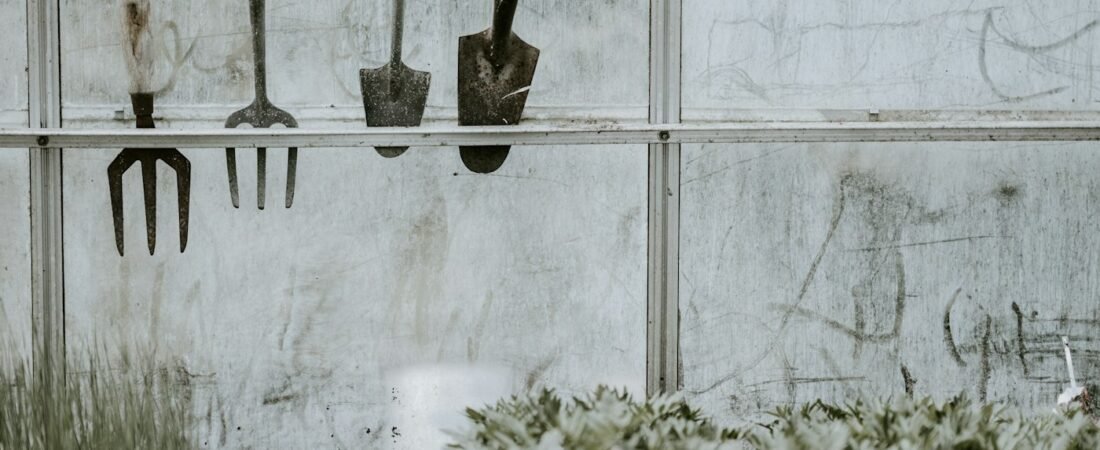
A small trowel, a clean pair of scissors or pruning snips, and a cloth may handle most tasks in a modest garden. A trowel makes filling containers less messy; scissors help remove damaged leaves or harvest suitable herbs. Keep cutting tools clean, particularly when moving between plants that may have pests or disease. Gloves are useful when handling irritating foliage or gardening materials.
Do not purchase a large collection of metal tools unless you have a clear use and safe storage for them. In a compact apartment, bulky accessories quickly occupy the space you need for pots. Clean tools after use and dry them before storage. When a new project demands a specialised item, research it then rather than buying an entire kit in advance.
5. Store Supplies Safely and Keep the Growing Area Clear
Fertilisers, pest-control products and other garden materials should remain in their original labelled containers and be stored according to the manufacturer’s instructions. Keep them away from children, pets, food-preparation surfaces and excessive heat. If your home has very limited storage, choose compact containers or stackable boxes rather than leaving tools scattered around a doorway or balcony.
Protect floors and furniture with suitable trays or surfaces that can be inspected and cleaned. Do not leave water near electrical outlets or grow-light equipment. Place heavy pots on stable supports and follow any manufacturer anti-tip guidance. An organised setup encourages regular maintenance and prevents the basic gardening routine from becoming inconvenient.
Avoid Buying Gardening Gadgets Before You Need Them
Beginners sometimes assume that successful gardening requires a moisture meter, expensive grow lights, elaborate trellises and several decorative planters. These tools can be useful in the right circumstances, but none solves every plant problem. A moisture meter may help you compare soil conditions, yet you still need to understand the species and potting medium. A grow light may supplement inadequate daylight but does not replace good drainage.
Before buying a product, identify a specific problem. Does the plant regularly dry out because its container is too small? Is light insufficient even at the best window? Do you need safer access to a shelf? Choose equipment only after measuring the space and understanding the cause. This reduces clutter and makes it easier to tell whether the purchase helped.
Also resist buying several large pots simply because they are on sale. Wet soil is heavy, and a planter that looks practical in a shop may overwhelm a narrow balcony. Start with suitable sizes and grow gradually.
Build a Practical Starter Kit Without Overspending
If you are shopping for your first small garden, begin with a short, plant-specific list. For a houseplant, that may be a draining pot, potting mix and small watering can. For balcony vegetables, you may need a larger container, stronger support and a safe way to catch runoff. Buy only what your current project requires and reuse suitable materials you already own.
Set aside a small storage area and keep spare labels, clean tools and unused potting mix together. A basket or compact box may be enough. You do not need to keep several open bags of different growing media unless your plants genuinely require them. When you notice a problem, make a note of it and decide whether a change in routine could solve it before adding more equipment.
Read our one-weekend mini garden setup plan for a straightforward first project. Starting with a few plants will help you learn which supplies are worth keeping.
Separate Necessary Tools From Optional Purchases
A useful shopping list has three categories: essentials that support basic plant health, optional tools that solve known problems, and unnecessary extras that can wait. Draining containers and suitable growing mix belong near the top for most container gardens. A small watering tool and basic cleaning supplies also make sense. Additional stands, moisture meters or specialised lamps depend on your plants and growing conditions.
Two existing product examples are a small garden hand tool and a Homarden watering can. These are existing Amazon.com affiliate links; verify the actual listings, delivery availability and suitability before buying. As an Amazon Associate I earn from qualifying purchases. See our affiliate disclosure.
Keep purchases proportional to the size of your garden. One well-chosen tool used every week is a better investment than a large collection that takes up storage without improving plant care.
- Essential: Draining containers, suitable mix and a controlled way to water.
- Sometimes useful: Grow lights, plant supports or a moisture meter for a clear need.
- Wait: Decorative extras and duplicate tools that do not solve a current problem.
What Is the Most Important Supply for Beginner Gardeners?
For most people growing plants in containers, a suitable pot with working drainage and appropriate growing mix is a more important starting point than any specialised gadget. Roots need a reasonable balance of air and moisture, and even a careful watering routine cannot fully compensate for a container that traps water. The correct size depends on the species, so do not assume one pot fits every plant.
Light is just as fundamental, but it does not always require a purchase. A naturally bright, safe location may be enough for a suitable plant. If your home does not provide the light a chosen crop needs, consider selecting a different plant before buying expensive equipment. Match your setup to the growing conditions rather than treating shopping as the solution.
Start with the essentials you can maintain comfortably. Good observation and consistent care are more valuable than owning every accessory on a gardening shelf.
Read More Guides Before Expanding Your Small Garden
Small-space gardening becomes easier when each plant has a clear place and a manageable routine. Explore our gardening guides and the small-space gardening beginner guide for help with planning a compact collection. You can also review plant-specific advice before buying a container that may not suit the roots.
The University of New Hampshire Extension’s article about container growing is a useful source for learning how containers and growing media affect plants. Use it alongside local climate and building guidance when choosing equipment for balconies or outdoor spaces.
Begin with the plants you actually want to grow, spend only on what supports them, and let your supply collection expand when a genuine need appears. A simple kit can support a satisfying garden.