
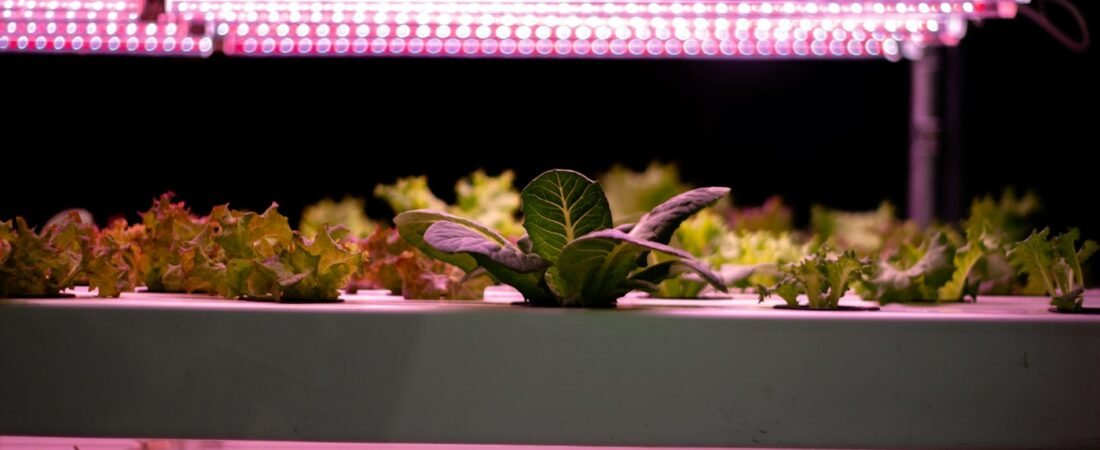
An LED grow light can make a dim apartment more plant-friendly, especially during short winter days. But the brightest-looking bulb or most expensive fixture is not necessarily the right choice. Start with the plants you actually own and the space you can safely illuminate. Then compare the amount of light delivered to the leaves, the area covered and the ease of using the fixture every day.
Identify the light deficit first
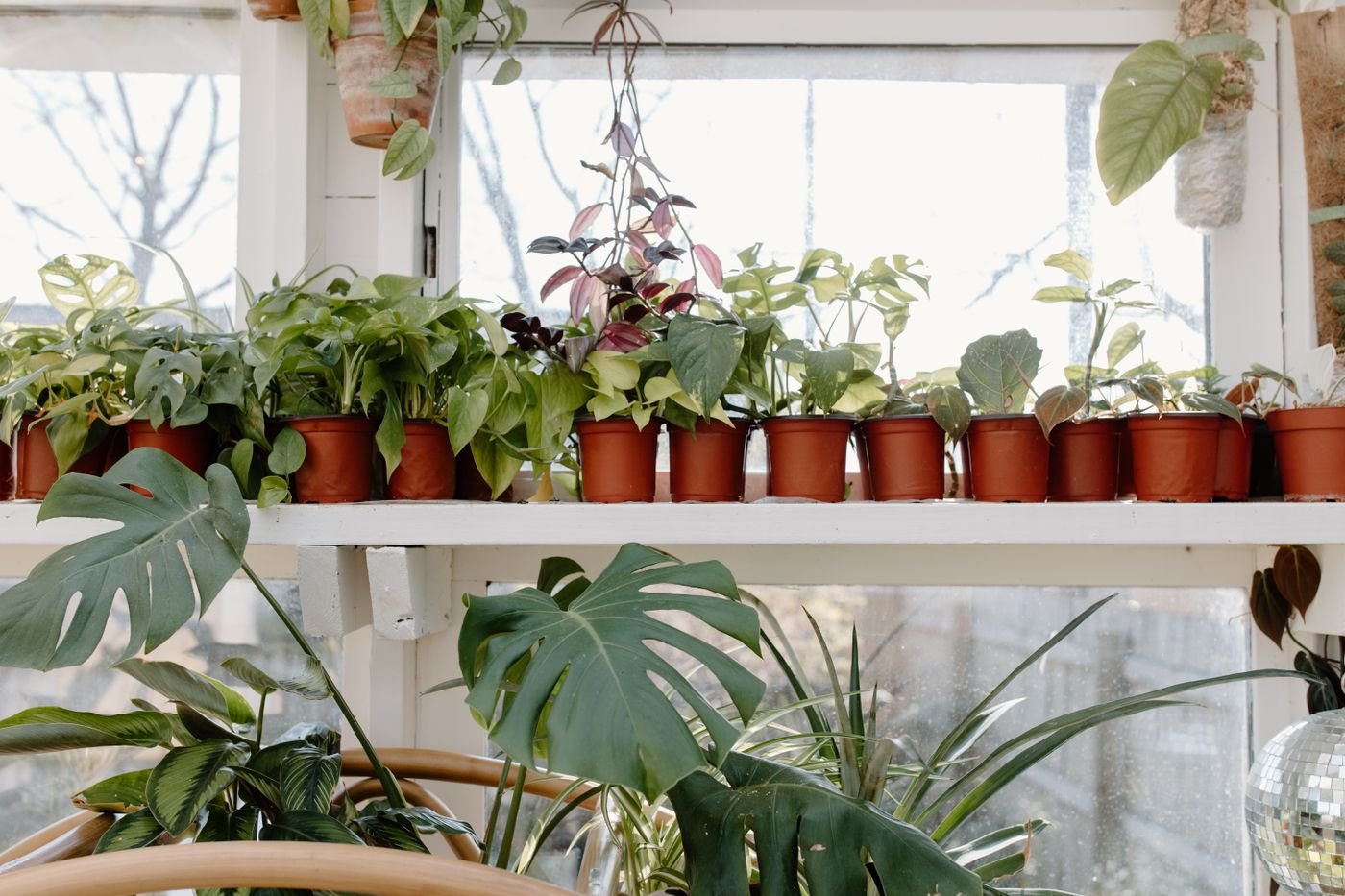
Observe how many hours of useful daylight reach the existing plant shelf. A healthy parlour palm near a north-facing window may need less supplementation than basil on a dark kitchen counter. Check whether a simple move closer to the window solves the problem before purchasing a lamp. Seedlings, flowering plants and leafy houseplants have different light needs.
Check spectrum and output information
White or balanced-spectrum LED horticultural lights are convenient for many indoor uses. Product listings may show PPF, PPFD, coverage area or distance tables; these are more informative than wattage alone. Watts tell you about electrical consumption, not exactly how much usable light reaches a leaf. Be cautious of listings that promise spectacular growth without specifying measurements or recommended plant distances.
Match the fixture to a shelf, not an entire room
A small under-shelf light may suit several compact pots, while a tall specimen may need a different mounting setup. Compare the fixture’s advertised coverage at the exact distance you plan to use it. A bright hotspot can leave plants at the edges underlit. Make sure you can raise the light as plants grow and reach the shelf for watering and cleaning.
Set a sensible light schedule
Most plants benefit from a daily dark period; continuous 24-hour illumination is not a shortcut to healthy growth. Use a compatible timer and follow plant-specific advice for the total hours of light, including natural daylight. Seedlings commonly need longer daily illumination than decorative foliage plants. Start with a consistent schedule and observe new growth over several weeks rather than changing settings every day.
Prioritise electrical and household safety
Choose a product appropriate for indoor use and follow the manufacturer’s instructions for mounting, ventilation and distance. Keep plugs, adapters and cords away from spilled water; avoid overloaded power bars or hanging fixtures from unapproved fittings. Place lights so their glare is not aimed into people’s eyes while working or sleeping. Secure cords and devices away from children and pets.
Evaluate results before adding equipment
Look for compact new growth, improved leaf colour and fewer stems stretching toward the window. Bleached foliage or heat stress can signal too much intensity or an unsuitable distance. Check soil moisture because brighter conditions can change how quickly a pot dries. If one shelf is thriving, do not assume every other corner needs the same light.
Read the light measurements without getting lost in the labels
PPF describes the light a fixture produces for photosynthesis; PPFD describes how much of that light reaches a particular area. For a shelf, the second question is especially useful: what reaches the leaves at your intended mounting height? A single impressive number measured at the centre of a lamp is not a promise of equal light across a wide row of pots. Look for a coverage diagram with several measurement points and a stated distance.
Keep colour temperature separate from plant performance. A white lamp may look warm or cool to your eyes, but that appearance alone does not tell you whether a basil plant will receive enough light. Likewise, a purple glow does not prove a fixture is powerful. If a listing offers only a photograph and an equivalent-wattage claim, ask for actual power consumption, dimensions and a distance chart before deciding. A clear specification is more useful than a dramatic before-and-after image.
Compare two lamps using your actual shelf
Make a simple sketch before shopping. Suppose your shelf is 60 cm wide and 30 cm deep, approximately 24 by 12 inches. Mark where each pot sits and measure from the proposed light position to the tallest leaves. Then check whether the product’s published coverage applies at that distance. Leave room for watering and for the plant to grow; a fixture that only fits when its housing touches the leaves is not a useful fit.
A linear light can suit a row of similarly sized plants, while a directional bulb may suit one separate specimen. These are layout options, not guarantees of adequate intensity. If a tall plant blocks a smaller one, rearrange the pots or give them separate positions instead of simply extending the timer. Place plants with broadly similar light requirements together, and keep access to their saucers. A crowded display can become difficult to inspect even when the lighting is good.
Estimate running costs before adding several shelves
Use the fixture’s actual electrical draw, not a comparison such as ‘equivalent to 100 watts’. To estimate energy use, divide watts by 1,000 and multiply by daily hours and the number of days. For example, a hypothetical 20-watt fixture running for 12 hours a day uses about 7.2 kWh over 30 days. Multiply that figure by your electricity rate to estimate the energy charge. This example is a calculation, not a recommended schedule for every plant.
Include the small practical costs as well: an approved mounting method, a compatible timer and a suitable outlet nearby. Check whether a multipack is useful for your space or simply cheaper per unit. One correctly placed fixture is easier to manage than several unused lights and a tangle of cables. If a timer switches the supply off, confirm that the lamp returns to its intended setting when power resumes; some touch-controlled lamps need manual restarting.
Keep a short trial record
On the day you install the light, photograph the whole plant and one growing tip. Write down the mounting distance, timer settings and pot location. Repeat the photographs from the same angle once a week. Compare the newest growth rather than expecting older stretched stems to become compact again. Avoid changing light, potting mix and fertiliser all at once, because you will not know which change helped.
If new leaves look pale or damaged, inspect watering, temperature and pests as well as the lamp. More light is not a treatment for every yellow leaf. Make one cautious adjustment within the manufacturer’s guidance and record it. When the setup works, keep the settings somewhere easy to find so an accidental timer reset does not leave you guessing. Our plant care calendar guide can help organise those observations.
Before ordering, check the return window and keep the packaging until you have tested the light in its intended position. Measure the fixture itself as well as the advertised coverage. A lamp can illuminate the right area yet still have a base or bracket that prevents your shelf from sitting safely against the wall.
Quick checklist
- Choose a fixture with credible coverage and intensity information.
- Use a timer and allow a daily dark period.
- Install equipment safely away from water and unstable surfaces.
- Match light distance to the specific fixture and plants.
Frequently asked questions
Can an LED desk lamp replace a grow light?
Some ordinary LEDs may contribute useful light, but they often lack reliable horticultural coverage and intensity information.
Does a grow light need to be purple?
No. White or balanced-spectrum lights can support many plants and are often more pleasant in living spaces.
How close should an LED grow light be?
Follow the manufacturer’s intensity and distance guidance; fixture strength and plant type make a universal number unreliable.
Optional supplies (affiliate links): A grow light should suit the width of your shelf, the plants’ light needs, mounting distance and safe electrical setup. Compare coverage and measured light output, not wattage alone. Barrina T5 full-spectrum 2-foot grow lights (8-pack) (paid link); VIVOSUN T5 full-spectrum 1-foot grow lights with timer and dimmer (8-pack) (paid link). As an Amazon Associate I earn from qualifying purchases. Links open Amazon.com; prices and availability may change. Affiliate disclosure.
Related reading
For your next step, explore How to Measure Light in an Apartment. See also University of Minnesota Extension’s lighting guide for additional research-backed horticultural guidance.