
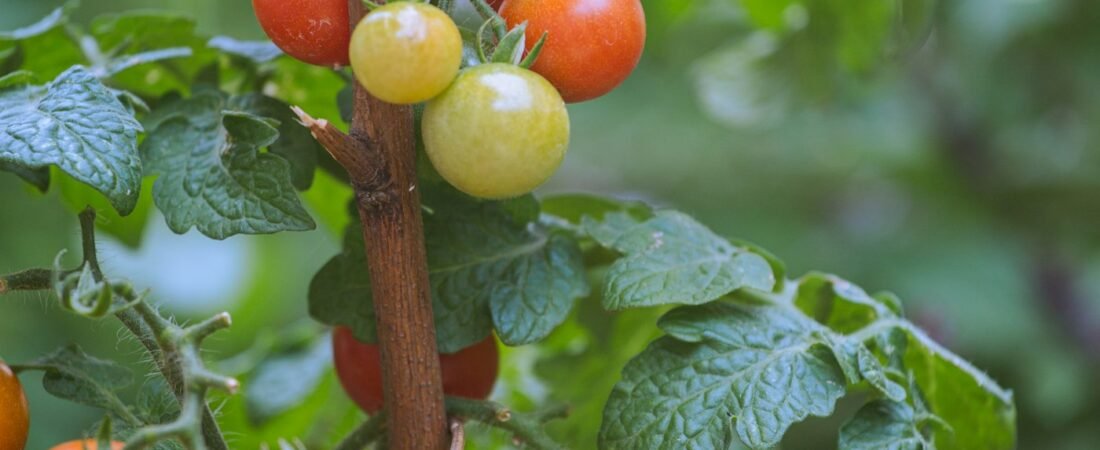
Cherry tomatoes are a rewarding container crop when the plant receives strong light, root space and reliable support. Choose a compact variety if your patio or balcony is limited.
What to know before you start
Look for a container of at least roughly five gallons for many patio varieties, with more space for vigorous vines. Check the seed label before choosing a pot.
Step-by-step growing advice
1. Give tomatoes ample sun
Position the plant where it receives strong direct sunlight for much of the day. Indoors by a dim window rarely provides the same light as a suitable outdoor spot.
2. Plant in a free-draining mix
Use potting mix designed for containers and a pot with drainage holes. Water after planting to settle the mix around the root ball.
3. Install support early
Fit a cage or stake before the stems become awkward to handle. Choose a stable design that will not tip when loaded with fruit.
4. Keep moisture consistent
Check the mix frequently when fruits develop. Cycles of severe drying followed by flooding can stress plants and contribute to fruit problems.
5. Feed and harvest appropriately
Use a fertilizer labeled for edible container crops and follow instructions. Pick ripe tomatoes regularly and remove visibly diseased leaves with clean tools.
Choose the right cherry tomato variety and troubleshoot fruit problems
A label saying cherry tomato describes fruit size, not how large the whole plant will grow. Look for compact, patio, bush or determinate cultivars when space and wind exposure are limited. An indeterminate cherry tomato may keep extending and need a much taller, stronger cage. Check the mature size on the seed packet before purchasing a container. A five-gallon pot may work for some compact plants, while vigorous varieties often benefit from more root volume. Set the support in place at planting, and keep the entire container and cage safely within your balcony boundaries.
Once flowers and fruit appear, consistent moisture matters more than a rigid watering timetable. Feel the mix below the surface and water deeply when needed, rather than alternating severe drying with a sudden flood. If fruit develops dark sunken patches on the blossom end, check for irregular moisture and root stress: blossom-end rot relates to calcium movement within the plant and is not automatically fixed by adding extra calcium. Split ripe fruit may also follow rapid moisture changes. Improve the watering routine and remove damaged fruit rather than immediately increasing fertilizer.
Use these quick checks before changing your setup: Few flowers or fruits: assess hours of direct sunlight and whether the plant is receiving too much nitrogen. Leaning stems: secure an appropriate cage or stake before heavy fruit forms. Wilting on hot afternoons: check root-zone moisture, wind exposure and whether the plant recovers in the evening. End of season: watch local frost forecasts and harvest remaining fruit before freezing conditions. For detailed growing and watering advice, consult University of Minnesota Extension’s tomato guide.
Common mistake
Do not place an unsupported tall tomato beside an exposed balcony railing. Wind and a heavy fruit load can topple the entire container.
Try this in your own small space
Start with one correctly sized container and one crop you enjoy. Put the pot where it receives the recommended light, check moisture regularly, and record what works before expanding your garden.
Frequently asked question
Can I grow cherry tomatoes in a small pot?
Very compact cultivars may tolerate smaller pots, but productive plants need sufficient roots, sunlight and water.
Optional supplies (affiliate links): Choose a sturdy plant support and a container large enough for your tomato cultivar; a support must remain stable once the plant carries fruit. GROWNEER adjustable tomato cages (3-pack) (paid link); VIVOSUN 5-gallon grow bags (specific product; check cultivar size) (paid link). As an Amazon Associate I earn from qualifying purchases. Links open Amazon.com; prices and availability may change. Affiliate disclosure.
More container gardening help
Explore our Container Gardening section and beginner container guide. For container sizes, drainage and growing media, visit University of Maryland Extension.