Container gardening for beginners is one of the simplest ways to start growing plants without needing a large backyard. Whether you live in an apartment, townhouse, or home with a small patio, containers allow you to grow beautiful flowers, fresh herbs, and even vegetables in limited spaces.
You do not need expensive equipment or years of gardening experience to get started. With suitable pots, quality potting mix, and a few easy-to-grow plants, you can create a manageable garden almost anywhere that receives enough light.
In this beginner-friendly guide, you will learn 10 practical steps for starting a container garden, choosing the right supplies, and keeping plants healthy throughout the growing season.
What Is Container Gardening?
Container gardening is the practice of growing plants in pots, planters, buckets, grow bags, or other suitable containers instead of planting directly in the ground.
It is particularly useful when traditional garden beds are not available.
You can create a container garden on a balcony, patio, doorstep, rooftop, or sunny outdoor corner, provided the location is safe and appropriate for the plants.
Some indoor plants can also grow successfully in containers, although their lighting and care requirements may differ from those of outdoor plants.
Benefits of Container Gardening for Small Spaces
Container gardening offers several advantages:
- Space-saving: Plants can grow in compact areas without traditional garden beds.
- Flexible: Many pots can be moved when sunlight or weather conditions change.
- Beginner-friendly: You can start with just a few plants and gradually expand.
- Versatile: Containers support many herbs, flowers, leafy vegetables, and compact fruiting plants.
- Customizable: Different container sizes and arrangements suit different spaces.
The key is to match the plant with the container, growing medium, and available light.
Container Gardening for Beginners: 10 Easy Steps
Step 1: Choose the Best Location
Before buying plants, look around your home and identify a suitable place for your container garden.
Sunlight is one of the most important factors to consider.
Different plants require different growing conditions:
- 6–8 hours of direct sun: Many tomatoes, peppers, and sun-loving herbs.
- 3–5 hours of direct sun: Some leafy greens, including lettuce and spinach.
- Partial shade: Selected herbs, flowers, and ornamental plants that tolerate reduced light.
Watch how sunlight moves across your outdoor space throughout the day.
Balcony walls, fences, neighbouring buildings, and overhanging roofs can reduce the amount of direct sunlight your plants receive.
Beginner tip: Choose plants that match your available sunlight instead of trying to grow sun-loving vegetables in deep shade.
Step 2: Plan Your Available Space
A successful container garden starts with a simple layout.
Measure your available space and consider where pots can sit safely without blocking doors or walkways.
If you live in an apartment or condominium, check building rules before placing containers on balconies or attaching anything to railings.
Remember that large planters filled with wet potting mix can become surprisingly heavy.
For a small patio or balcony, you might begin with:
- One medium planter for herbs.
- One container for leafy vegetables.
- One compact flowering plant.
- A small weather-resistant shelf if space permits.
Starting with three containers is often easier than trying to manage ten plants immediately.
Step 3: Choose the Right Containers
The pots you choose can affect plant growth, watering needs, and how much space your garden occupies.
Common container options include:
Plastic pots: Lightweight, affordable, and easy to move.
Terracotta pots: Attractive and porous, but they generally dry out more quickly than plastic containers.
Fabric grow bags: Useful for many vegetables and larger plants, although they may require frequent moisture checks.
Window boxes: Suitable for selected herbs, flowers, and shallow-rooted plants.
Self-watering planters: Designed with a water reservoir that can reduce frequent watering for suitable plants.
Whatever you choose, make sure the container is large enough for the plant’s expected root growth.
Why Drainage Holes Matter
Most conventional plant containers need drainage holes to allow excess water to escape.
Without adequate drainage, potting mix can remain waterlogged, reducing oxygen around roots and increasing the risk of root problems.
Do not rely on a layer of rocks or gravel at the bottom of an ordinary pot to improve drainage. This can actually reduce the space available for healthy root growth.
Choose containers with drainage holes, or use a properly designed self-watering planter with an overflow system.
Beginner tip: For edible plants, use containers made from appropriate materials and never reuse buckets that previously held hazardous chemicals.
Step 4: Use Quality Potting Mix
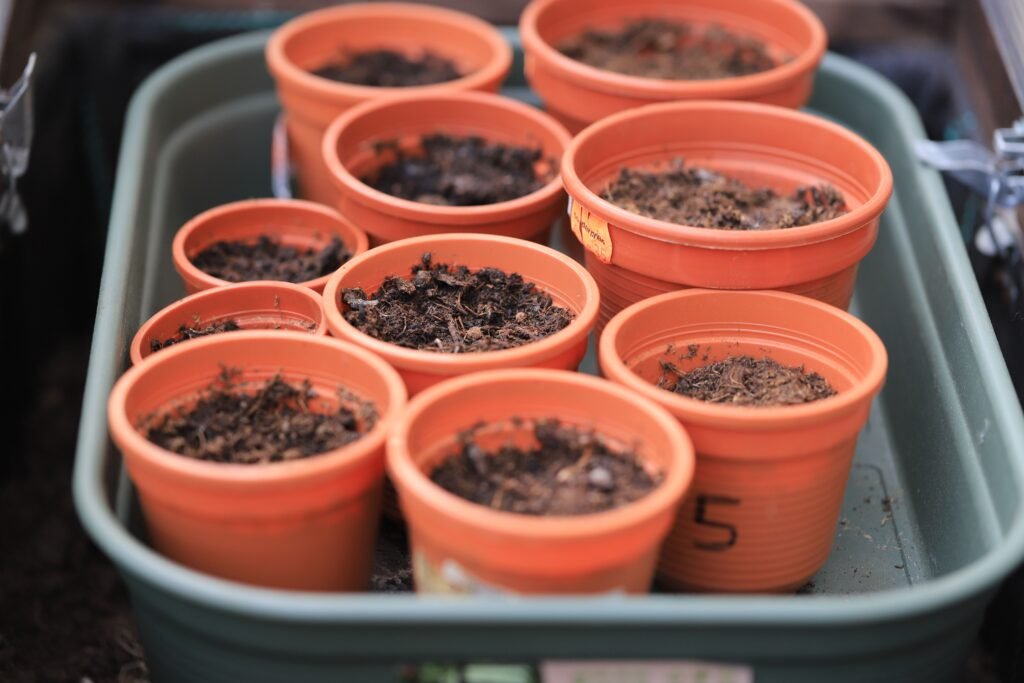
One of the most important container gardening tips for beginners is to use a potting mix designed for containers.
Ordinary garden soil can become too dense inside a pot, limiting airflow and drainage.
A suitable potting mix is designed to support roots while retaining some moisture and allowing excess water to drain.
Many commercial mixes contain ingredients such as composted bark, coir, peat moss, perlite, or vermiculite.
When selecting potting mix, look for a product labelled for container plants or the particular crop you plan to grow.
How to Prepare Your Potting Mix
Before planting:
- Check whether the potting mix feels excessively dry.
- Lightly moisten dry mix if needed.
- Fill the container without packing the mix tightly.
- Leave a little space below the rim for watering.
- Make sure water can drain through the container.
Avoid adding large amounts of heavy garden soil to lightweight potting mix.
For more detailed information, read the University of Maryland Extension guide to growing vegetables in containers.
Step 5: Choose Easy Plants for Your First Container Garden
Not every plant is equally suitable for a beginner.
Start with varieties that match your available sunlight, climate, and container size.
Best Herbs for Containers
Basil: A fragrant culinary herb that prefers warm temperatures and plenty of sunlight.
Parsley: A practical herb for pots that can tolerate some partial shade.
Mint: A vigorous herb that is best grown in its own container because it spreads readily.
Chives: A compact herb that works well in containers and can be harvested gradually.
Best Vegetables for Containers
Lettuce: A good option for cooler growing conditions and suitable shallow containers.
Radishes: Fast-growing vegetables that can be grown from seed in appropriately sized pots.
Dwarf cherry tomatoes: Productive plants for sunny locations when given sufficient root space, support, and regular care.
Compact peppers: Suitable for warm, sunny locations with appropriate containers.
Best Flowers for Containers
Marigolds: Colourful flowers that grow well in sunny containers.
Petunias: Popular flowering plants for pots and hanging baskets.
Geraniums: Attractive container flowers that generally prefer plenty of sunlight.
Choose compact varieties whenever possible and check plant labels for spacing and mature size.
Beginner tip: Start with two or three varieties rather than purchasing too many plants at once.
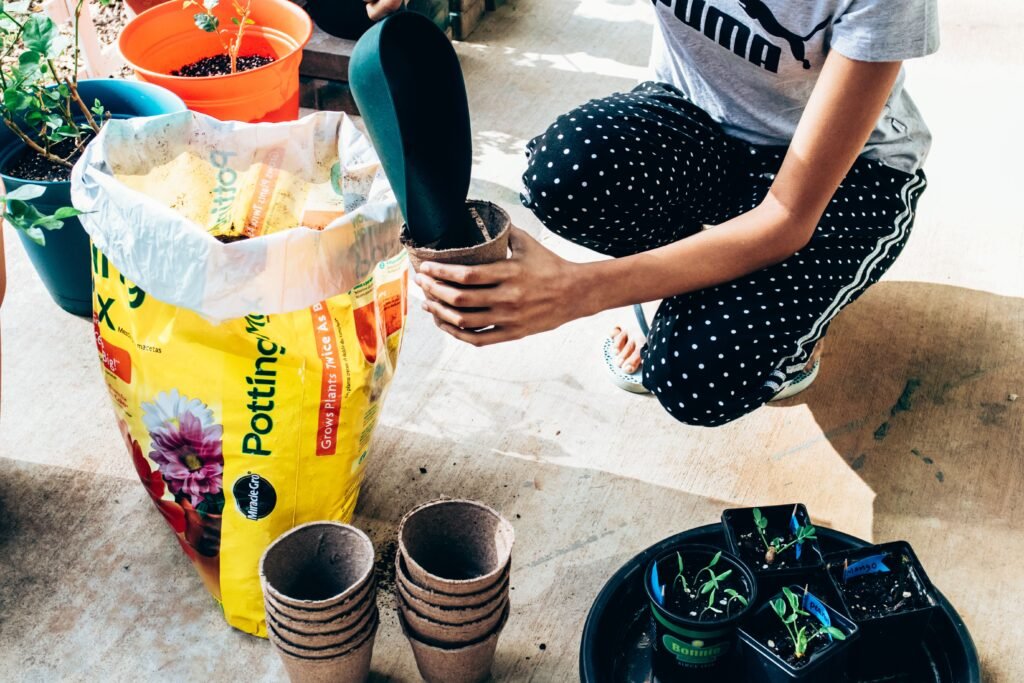
Step 6: Plant Your Seeds or Seedlings Correctly
Once your containers and potting mix are ready, it is time to plant.
For nursery seedlings:
- Gently remove the seedling from its original container.
- Check the roots and loosen tightly circling roots carefully when appropriate.
- Place the plant at the recommended planting depth.
- Fill around the roots with potting mix.
- Gently firm the mix without compacting it heavily.
- Water the plant thoroughly.
For seeds, follow the instructions on the packet for planting depth, spacing, and germination conditions.
Some seeds need warmer soil temperatures, while others grow best during cooler weather.
Do not overcrowd seedlings. Thin them when necessary so the remaining plants have enough room to develop.
Step 7: Learn When and How to Water
Watering is one of the most important parts of caring for a container garden.
Unlike plants growing in the ground, potted plants have limited space to store moisture.
Containers can dry out quickly during hot, sunny, or windy weather.
However, watering too frequently can also cause problems.
Simple Watering Tips
- Check soil moisture before watering.
- Water the potting mix near the base of the plant.
- Water thoroughly when the plant needs it.
- Allow excess water to drain from conventional pots.
- Empty standing water from saucers when appropriate.
- Check containers more frequently during hot weather.
A small pot may dry faster than a larger one, while terracotta containers often lose moisture faster than plastic pots.
Rather than using exactly the same watering schedule every day, learn how quickly each container dries.
Step 8: Feed Your Plants When Needed
Container plants rely on a limited amount of growing medium for nutrients.
Some potting mixes contain fertilizer that supports plants during their early growth, while others require additional feeding sooner.
As plants grow, especially vegetables that produce flowers and fruit, they may need supplemental nutrients.
You can use a fertilizer formulated for container-grown plants, following the manufacturer’s directions.
Avoid applying excessive fertilizer. Too much can damage roots or cause unwanted nutrient buildup.
Beginner tip: Check whether your potting mix already contains fertilizer before adding more.
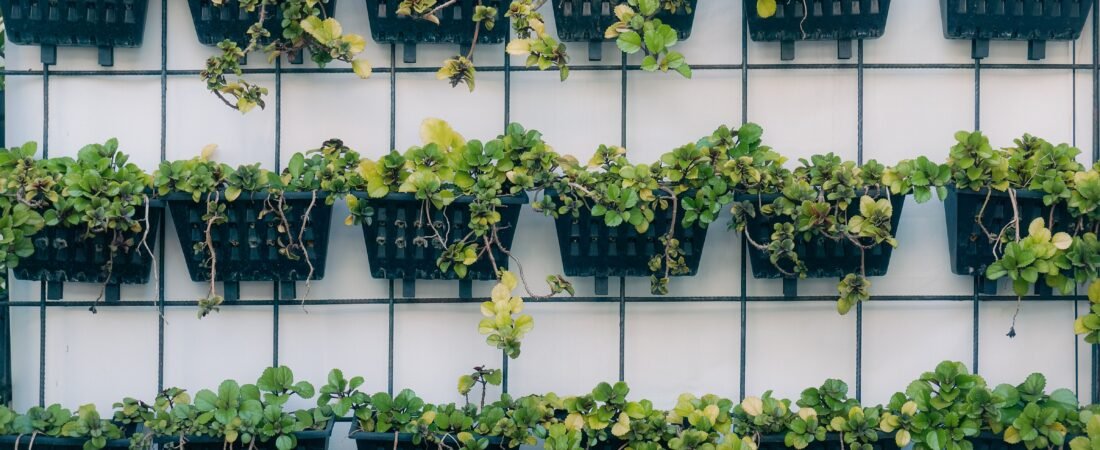
Step 9: Make the Most of Vertical Space
When outdoor floor space is limited, vertical gardening can make a noticeable difference.
Instead of placing every container on the ground, consider using:
- Sturdy plant stands.
- Outdoor shelving units.
- Secure wall-mounted planters.
- Approved hanging baskets.
- Trellises for suitable climbing varieties.
Vertical gardening can help organize plants while keeping paths and seating areas clear.
Place heavier containers on lower shelves and make sure all structures can support the weight of wet soil.
For apartment balconies, never attach hanging planters to railings without checking building restrictions and safety requirements.
For additional small-space inspiration, explore our Balcony Gardening guides.
Step 10: Adjust Your Garden with the Seasons
Container gardens need different care as temperatures and daylight hours change.
Spring is often a good time to prepare containers, start appropriate seeds, and plan the growing season.
During summer, hot weather may increase watering needs, especially for smaller pots.
In autumn, some cool-season vegetables may continue growing while tender plants need protection from frost.
In colder Canadian climates, freezing temperatures can damage warm-season crops and crack certain containers.
Check local frost dates before moving tender plants outdoors in spring or leaving them outside in autumn.
At the end of the season, clean reusable containers, inspect supports, and store frost-sensitive pots appropriately.
Best Container Sizes for Different Plants
Different plants need different amounts of root space.
Rather than choosing every pot in the same size, match container depth and volume to the crop.
Small containers: Suitable for compact herbs and some ornamental plants when enough root room is provided.
Medium containers: Useful for many leafy greens, herbs, and smaller flowering plants.
Large containers: Better for dwarf tomatoes, peppers, and plants with extensive root systems.
Always consult seed packets or nursery labels for crop-specific recommendations.
A larger container may retain moisture longer, but it can also become heavy and difficult to move.
Common Container Gardening Mistakes to Avoid
Using Pots Without Drainage
Poor drainage can cause excess moisture to collect around roots.
Choose conventional containers with drainage holes or purpose-built self-watering planters.
Overcrowding Plants
Putting too many seedlings in one small pot increases competition for water, light, and nutrients.
Give each plant enough room to reach its expected mature size.
Ignoring Sunlight Requirements
Plants that prefer full sun may produce weak growth when placed in deep shade.
Match each variety to the conditions in your growing space.
Forgetting to Check Soil Moisture
Containers can dry quickly during summer, but constant watering can also create problems.
Observe your plants and check soil moisture regularly.
Buying Too Many Supplies at Once
Container gardening for beginners does not require a large collection of expensive pots or gardening tools.
Start with a few practical supplies and expand only when you understand what your plants need.
Frequently Asked Questions About Container Gardening
Is Container Gardening Good for Beginners?
Yes. Container gardening is a flexible option because you can start with a few manageable plants and learn basic growing techniques without creating a traditional garden bed.
What Is the Easiest Vegetable to Grow in a Container?
Lettuce and radishes are useful beginner choices when provided with appropriate growing conditions. Compact tomatoes can also perform well but usually require more sunlight, root space, and attention.
Can I Use Regular Garden Soil in Containers?
It is generally better to use potting mix formulated for containers. Garden soil can become dense and restrict drainage and root aeration inside pots.
How Often Should I Water Container Plants?
Watering depends on the plant, pot size, growing medium, and weather. Check the soil regularly rather than following the same schedule for every container.
Can Container Plants Survive Winter in Canada?
Some hardy perennials may survive outdoors in suitable containers, but plants in pots can be more vulnerable to freezing temperatures than plants growing in the ground. Tender annuals and vegetables generally need frost protection.
Useful Container Gardening Supplies
The most important purchases are containers with enough root space and a potting mix suited to your plants. You can often reuse safe planters rather than buying everything new.
- Fabric grow bags: For vegetables with larger root systems, compare grow-bag volume, handle strength and drainage. Be mindful of the weight when filled with wet mix. VIVOSUN 5-gallon fabric grow bags (5-pack) (paid link).
- Container potting mix: Use potting mix formulated for containers instead of heavy garden soil, and check the label for crop-specific recommendations. Miracle-Gro potting mix, 8 qt (2-pack) (paid link).
Affiliate disclosure: The Amazon links above are paid affiliate links. As an Amazon Associate I earn from qualifying purchases. Product availability and prices may vary.
Final Thoughts: Start Small and Grow with Confidence
Container gardening for beginners is about making simple, practical choices and learning through experience.
Start with the right location, choose suitable containers, use quality potting mix, and select plants that match your sunlight and available space.
You do not need a large garden to enjoy growing herbs, vegetables, and flowers. A few well-cared-for containers can create a beautiful and productive green space.
For more small-space growing ideas, explore our Indoor Plants guides and Plant Care resources.
With patience and consistent care, your container garden can continue to grow alongside your gardening confidence.