
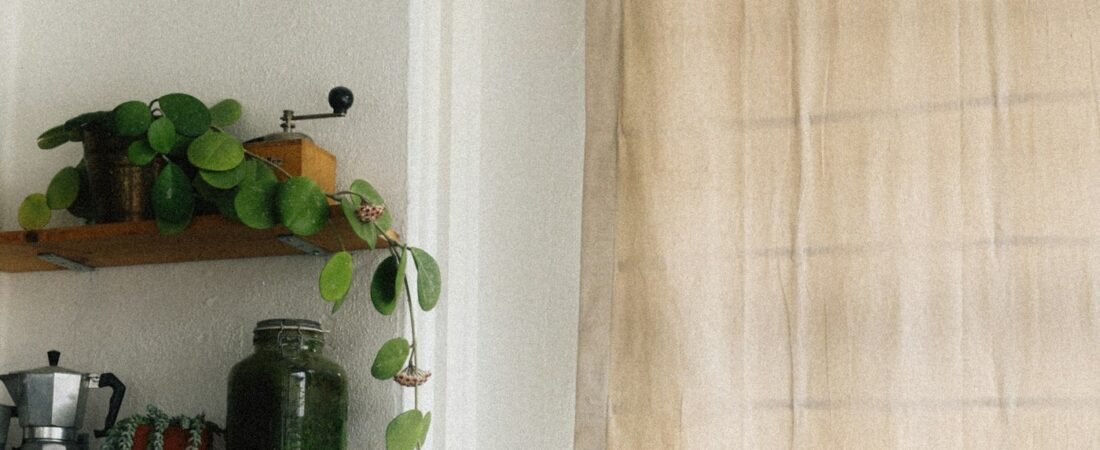
A vertical garden can turn an ordinary shelf or small corner into a useful growing space without occupying the whole floor. For renters, however, the design has to do more than look attractive. You need stable supports, safe watering, appropriate light and a setup you can remove when you move out.
These renter-friendly vertical garden ideas focus on five practical approaches for compact homes, including shelves, permitted hanging arrangements and trailing plants. The guide also covers water damage, load limits and a comparison of different setups so you can choose an arrangement that suits your lease instead of copying a photo without checking how it works.
Measure Your Space and Check Rental Rules Before Going Vertical
Start with your lease or building guidelines rather than the plant stand you saw online. Some rentals prohibit wall drilling, balcony railing attachments or objects suspended from ceilings. Others allow certain fixtures only with permission. Even a system marketed as no-drill may need a wall anchor to prevent tipping, so read the assembly instructions before assuming it is safe for your apartment.
Measure the available width, depth and height, then confirm that doors, windows and heating vents will remain accessible. Consider where sunlight reaches each shelf: a tall rack can cast shade over its lower tiers. Do not position heavy pots on weak furniture or block a route you use every day. Wet potting mix and water-filled saucers add weight that is easy to underestimate while shopping.
Plan how you will water every pot without dripping down walls or onto electronics. A vertical display is only practical if you can inspect leaves, empty saucers and remove an unhealthy plant without climbing or stretching dangerously.
5 Practical Vertical Garden Ideas for Renters
The most suitable design is usually the one you can maintain safely with little disruption to the home. A stable freestanding rack is often simpler than a complicated living wall, but the best choice depends on your available floor space, plant sizes, lighting and rental rules. Think about how the arrangement will look after plants grow, not just when the pots are small.
Start with only a few containers so you can learn how water moves through the display and whether every tier receives adequate light. Whenever you use shelves or hanging fixtures, follow manufacturer load and anti-tip instructions. If a product requires anchoring, it is not a genuine no-drill solution unless your landlord has approved the necessary installation.
1. Use a Stable Freestanding Rack Where Space Allows
A narrow freestanding plant rack can bring several small pots together without requiring a permanent wall installation. Check the footprint against your room measurements and confirm the load rating for each level. Place the heaviest containers low to reduce the centre of gravity, while following all manufacturer instructions for tipping prevention. Do not use a tall shelf without required anchoring just because the pots look lightweight.
Choose a location where you can reach each plant to water and inspect it. Put saucers under draining pots, and protect flooring from trapped moisture. Outdoor stands must be rated for outdoor conditions and secured appropriately against wind; an indoor decorative rack is not automatically balcony-safe. Keep the layout simple enough to dismantle at the end of the tenancy.
2. Hang Planters Only From Approved, Load-Rated Supports
Hanging baskets can create useful vertical interest, but a watered planter may weigh considerably more than an empty one. Never suspend a heavy pot from a curtain rod, random pipe or adhesive hook that is not rated for the actual load and installation conditions. Ask for permission before installing ceiling hardware or attaching anything to a building feature. If approval is not available, choose a freestanding alternative.
Even an approved hook requires a safe watering plan. Consider whether dripping water could damage flooring or furniture, and keep hanging plants away from doors or walking routes. Outdoors, wind changes the risks substantially; do not hang a basket over neighbouring property or below a railing where it could fall. Inspect fixtures regularly for loosening or corrosion.
3. Let Suitable Trailing Plants Grow From Accessible Shelves
Trailing foliage can soften a compact shelf without adding a large structure. Plants such as pothos may grow long vines in appropriate conditions, but the species must suit your available light and household. Pothos is toxic if chewed by cats or dogs, so homes with pets need careful plant selection and placement. Keep stems clear of walkways, heaters and doors, and trim or guide growth where it might create a snagging hazard.
Place vines where you can still inspect the potting mix and prune safely. A planter on the highest shelf may look impressive but become difficult to lift when you need to water or repot it. Choose smaller containers initially, with enough root room for the plant’s needs. Avoid letting leaves rest continually against cold glass or hot heating appliances.
4. Treat Wall Pockets as a Moisture-Control Project
Fabric pockets and modular wall planters can look like an easy solution, yet moisture behind them may damage paint or encourage mould if water escapes. Before purchasing one, investigate the installation method, drainage and any required wall protection. A removable mounting system is useful only if it is allowed and genuinely suitable for the weight of wet plants. Adhesive fixtures should not be assumed to support that load safely.
If you are not permitted to attach anything to a wall, consider a pocket-style organiser on a freestanding frame designed to carry planters, provided the whole system is stable. Choose plants with compatible water needs and avoid packing the pockets too tightly. Check the back and the surrounding surface after watering to make sure moisture is not trapped.
5. Keep Every Pot Within Easy, Safe Reach
Vertical growing saves floor space but can create difficult maintenance jobs. Before committing to a tall structure, try reaching the top shelf with an empty pot and imagine removing it once it is filled with moist soil. If you need to climb onto a chair to check soil or remove a saucer, the arrangement may be too tall for everyday use. Choose lower tiers or a different location rather than relying on unstable furniture.
Leave space around the display to clean spilled potting mix and inspect pests. Ensure electrical outlets and cords are protected from watering. On a balcony, leave emergency exits, floor drains and railing access clear. Regular care becomes much easier when every container can be reached calmly and safely.
Avoid a Decorative Living Wall That Creates Water Damage
A dramatic living wall can be tempting in a small apartment, but it is not automatically practical for a renter. Closely packed containers make it harder to inspect individual pots, while heavy structures and complicated irrigation systems increase the consequences of leaks. What looks tidy in a promotional image may require regular pruning, cleaning and maintenance that your space cannot support.
An alternative is to use a modest freestanding rack with a few separate containers. Each plant can be removed for watering or treatment, and the arrangement can be moved when cleaning or relocating. Keep saucers where you can empty them and check the shelf material for water resistance. Avoid enclosing moist pots against a painted wall without a reliable way to monitor the surface.
Do not overlook the anti-tip issue. Even a rack that fits comfortably in the room may require anchoring according to its safety instructions. If you cannot use the required anchor in a rental, choose a lower, more stable design instead.
Make a Simple No-Drill Setup You Can Maintain Weekly
Start with an empty shelf or tabletop arrangement and test the space before adding plants. Stand where you will usually water and check whether you can reach every container without moving the entire structure. Put the heaviest pots on the lowest suitable levels and keep the walking area clear. A narrow unit is not helpful if it blocks a doorway or makes the room feel difficult to use.
Select plants whose mature sizes and light requirements fit the tiers. Do not assume that a sunny window lights every shelf equally. Some plants may need to be moved closer to the window or kept on a separate lower stand. Use trays that protect surfaces but do not leave roots continuously submerged in water.
A brief weekly check should include stability, drainage, moisture, pests and any signs that trailing stems are reaching a door or heater. If the system takes too much effort to care for, reduce the number of pots rather than buying more hardware.
How to Choose a No-Drill Vertical Garden System
Before buying a rack, compare actual dimensions, load ratings, assembly requirements and how the stand will be prevented from tipping. Review the total weight of filled and watered containers instead of counting only empty pots. Consider where the system will stand during watering and whether you can inspect the floor underneath it. A product described as freestanding may still need fixing to a wall according to the manufacturer’s instructions.
One existing product example is the Bamworld multi-tier plant stand. This is an Amazon.com affiliate link, not a guarantee that the stand is suitable for an unanchored rental setup. Check its current specifications, installation instructions and delivery options before purchasing. As an Amazon Associate I earn from qualifying purchases. Read our affiliate disclosure.
To plan your display, see our guides to styling plants in a studio apartment and space-saving plant stands. Choose a product only after you understand the site and the plants it needs to support.
Compare Three Small-Space Vertical Garden Arrangements
Three arrangements are worth considering in a rental: a low freestanding plant rack, a tiered tabletop display and a hanging system that has been specifically approved. A low rack usually offers the simplest access for watering and may place heavy containers closer to the floor. A tabletop stand can use space you already own, but the furniture itself must support the wet weight. Hanging arrangements need reliable supports and a way to stop water dripping onto people or property.
Your decision should also reflect plant growth. A row of small young plants can become crowded as foliage expands, while taller pots may shadow the plants beneath them. Try arranging empty containers first and checking how much light each position receives. Think about whether you can remove individual pots for inspection without disturbing the others.
For more options, compare seven plant stand ideas and renter-friendly balcony growing without drilling. The safest solution is the one compatible with your actual lease and building conditions.
- Low rack: Easier access and a smaller tipping risk when correctly installed.
- Tabletop tiers: Compact, but dependent on safe furniture capacity.
- Approved hanging system: Keeps floors clear but requires rated support and controlled drainage.
Can You Create a Vertical Garden Without Drilling?
Yes, in many homes you can use stable freestanding shelving, movable planters and low tabletop arrangements without altering a wall. However, you still need to follow product assembly instructions and your rental agreement. Some tall shelves require anti-tip anchoring, and leaving out that required safety step is not an acceptable shortcut. If attaching an anchor is not permitted, choose a system that is designed to remain stable without it.
Make sure the arrangement can be watered without damage and that its plants receive enough light. A shelf that is technically no-drill but placed in a dark corner may not be useful for sun-loving herbs. Keep pots away from electrical outlets and avoid positioning them where a child or pet could pull the entire unit over.
Begin with two or three well-chosen plants. A simple arrangement that meets your household’s safety and care needs is a successful vertical garden.
Explore More Small-Space and Renter-Friendly Gardening Guides
Vertical gardening is one option for making a compact home greener, but it does not need to be the first or most elaborate project you try. Browse our small-space growing guides and beginner gardening overview for ideas that suit different levels of light and space. You may decide that a few separate pots meet your needs better than a large tower.
The University of New Hampshire Extension’s guide to plants in containers provides additional background on choosing growing containers and managing the root environment. Use plant-specific recommendations alongside product safety instructions and your building rules.
Start with a safe layout, add only plants you can care for, and make sure every container remains accessible. The result should improve your living space without damaging it.