
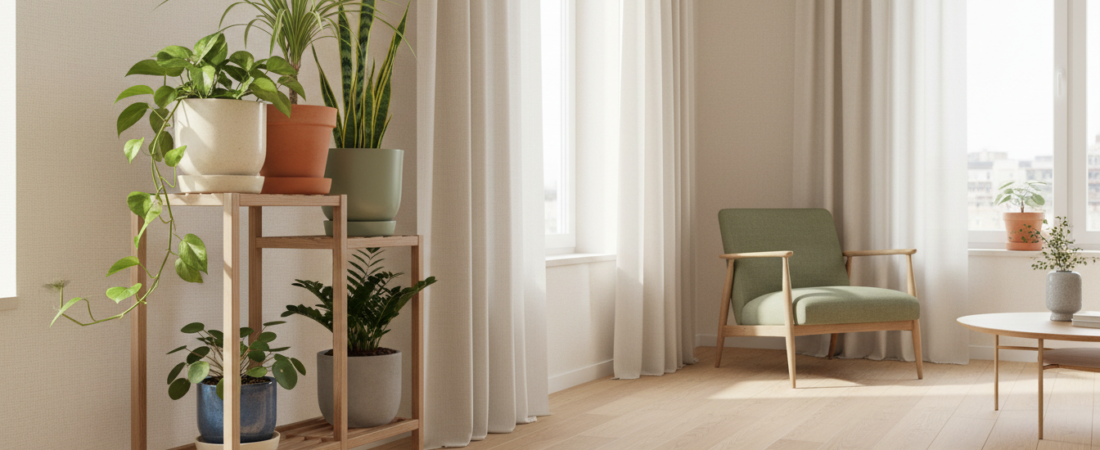
Are you running out of room for houseplants? The best plant stand ideas for small apartments use spaces you already have: a bright corner, an underused wall, or a narrow area beside a window. You don’t need a larger home or dozens of matching planters to create a practical display.
This step-by-step guide explains seven ways to display plants without sacrificing your floor space, where each setup works best, and what to check before purchasing a stand. Along the way, we’ll address the details that beautiful Pinterest photos often leave out: light, stability, water drainage, pets, and rental rules.
Quick Answer: How Do You Display Plants in a Small Apartment?
Use a narrow or tiered stand near suitable natural light, keeping heavy pots on lower levels and trays beneath pots with drainage holes. You can also repurpose a stable windowside shelf or side table. A plant stand creates display space; it does not replace the sunlight a plant needs.
In This Guide
Before You Choose: 5 Checks That Prevent Common Mistakes
- Measure the space: record usable width, depth and height, plus room to open curtains, drawers and doors. Leave enough space to water and clean around the plants.
- Check natural light: observe the corner throughout the day. A shady room isn’t automatically suitable for every houseplant, even if a stand fits perfectly.
- Account for watered weight: soil, pots and trays become heavier with water. Check the manufacturer’s load rating and avoid top-heavy setups.
- Plan drainage: use an inner nursery pot or containers with drainage, plus suitable saucers. Empty excess water and protect wood surfaces.
- Keep everyone safe: avoid blocking walkways and exits. Consider pets, children, electrical sockets, and whether shelves need anchoring.
Light matters more than the number of shelves you have. The University of Minnesota Extension’s houseplant lighting guide explains how to match plants to low-, medium- and high-light conditions, and when supplemental lighting may be needed.
7 Space-Saving Plant Stand Ideas for Small Apartments
1. Place a Slim Tiered Stand in a Window Corner
Best for: a bright corner that is too narrow for a chair or bookcase. A slender stand adds several display levels while taking up relatively little floor area. Put the heaviest container on the lowest shelf and smaller plants above it.
- Measure the width and depth of the actual corner, including baseboards.
- Place the stand close enough to usable daylight for your chosen plants.
- Add small drainage trays and leave room for future leaf growth.
What to avoid: a wobbly tower or a dark corner with insufficient light. Some lower-light-tolerant plants grow slowly, but none thrive without usable light.
2. Make a Windowside Shelf Work Twice as Hard
Best for: apartments where almost all the good plant light comes from one window. A narrow bench or shallow freestanding shelf can organize pots beside the window without crowding the entire sill.
- Use a slim shelf that leaves clearance for curtains and window operation.
- Position brighter-light plants nearer the window, and keep tall foliage from shading smaller plants.
- Protect the shelf with correctly sized trays.
What to avoid: leaves touching icy window glass, especially during Canadian winters, and overcrowding a window that you need for ventilation.
3. Try a Ladder-Style Plant Shelf Against a Bright Wall
Best for: a mostly empty wall with good nearby daylight. A ladder shelf gives small pots several levels and can keep floor clutter organized. Trailing foliage looks attractive on an upper shelf, while weightier pots belong down low.
- Choose a shelf designed to hold the total expected load.
- Follow anchoring recommendations and check that each level is stable.
- Allow space between pots so you can reach the soil and inspect the leaves.
What to avoid: hanging heavy containers from decorative shelves that aren’t rated for wet pots.
4. Reuse a Small Rolling Cart as a Plant Station
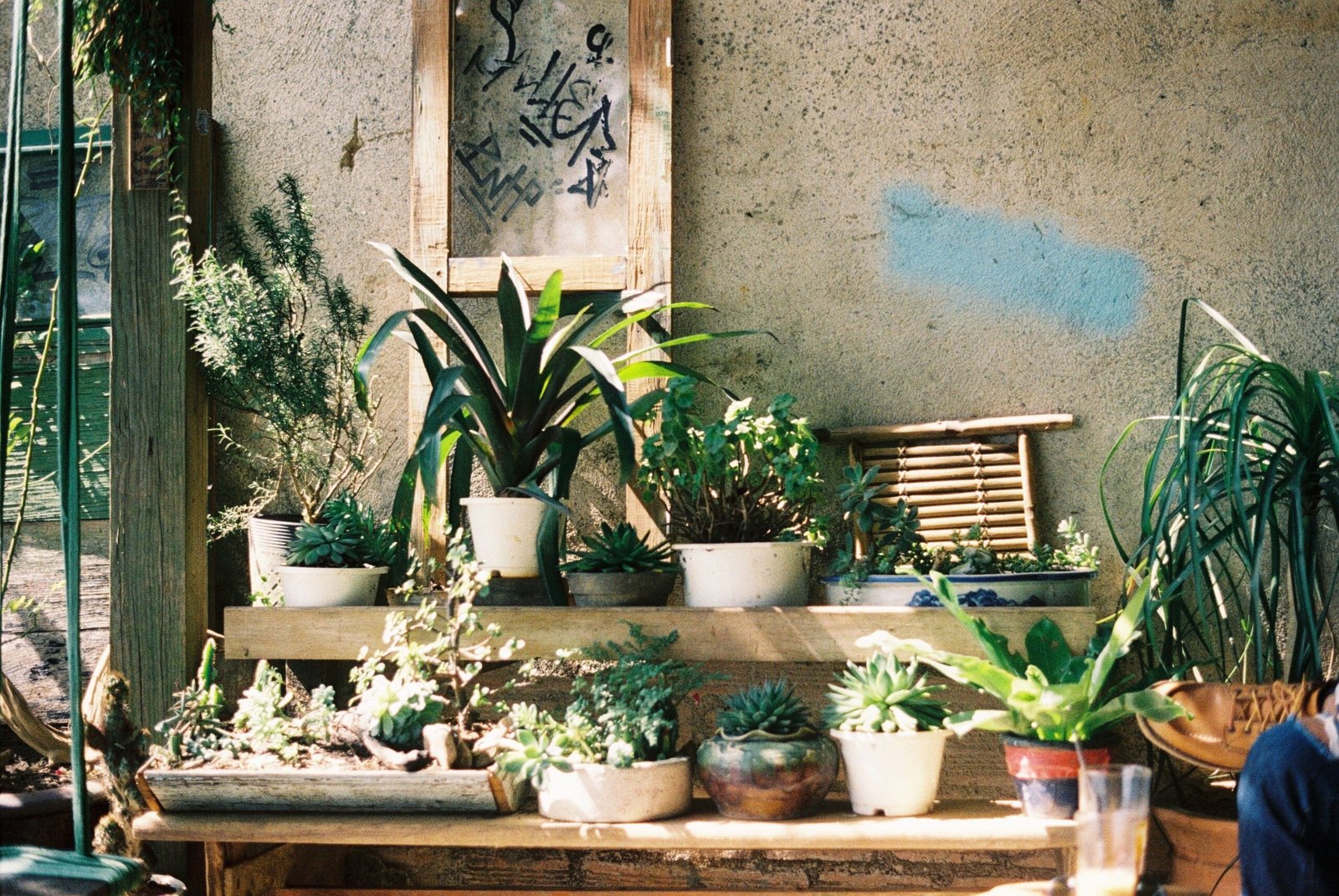
Best for: a multi-purpose living room, small studio or home office. A compact cart can hold a few pots plus watering supplies. Locking wheels can make it easier to clean around the display without carrying multiple containers.
- Select a cart with a stable base and sufficient rated capacity.
- Lock the wheels before watering or pruning.
- Keep the cart in a reasonably consistent light location instead of moving plants between very different conditions daily.
What to avoid: overloaded shelves, wet water pooling on the cart and unstable carts in high-traffic areas.
5. Use Freestanding Shelves Before Drilling Into Walls
Best for: renters who want a vertical display without requesting permission to mount hardware. An appropriate narrow bookcase, freestanding shelf or small end table may work if it is sturdy, water-resistant or protected, and rated for the pots you plan to use.
- Check that the furniture can safely support the full watered weight of the plants.
- Use trays, protect fragile finishes and anchor furniture where appropriate.
- Review your rental or building rules before attempting wall-mounted alternatives.
What to avoid: treating adhesive strips as load-bearing supports for heavy, watered plants. Use hardware suitable for the wall structure if mounting is permitted and necessary.
6. Hang a Trailing Plant Only Where the Support Is Secure
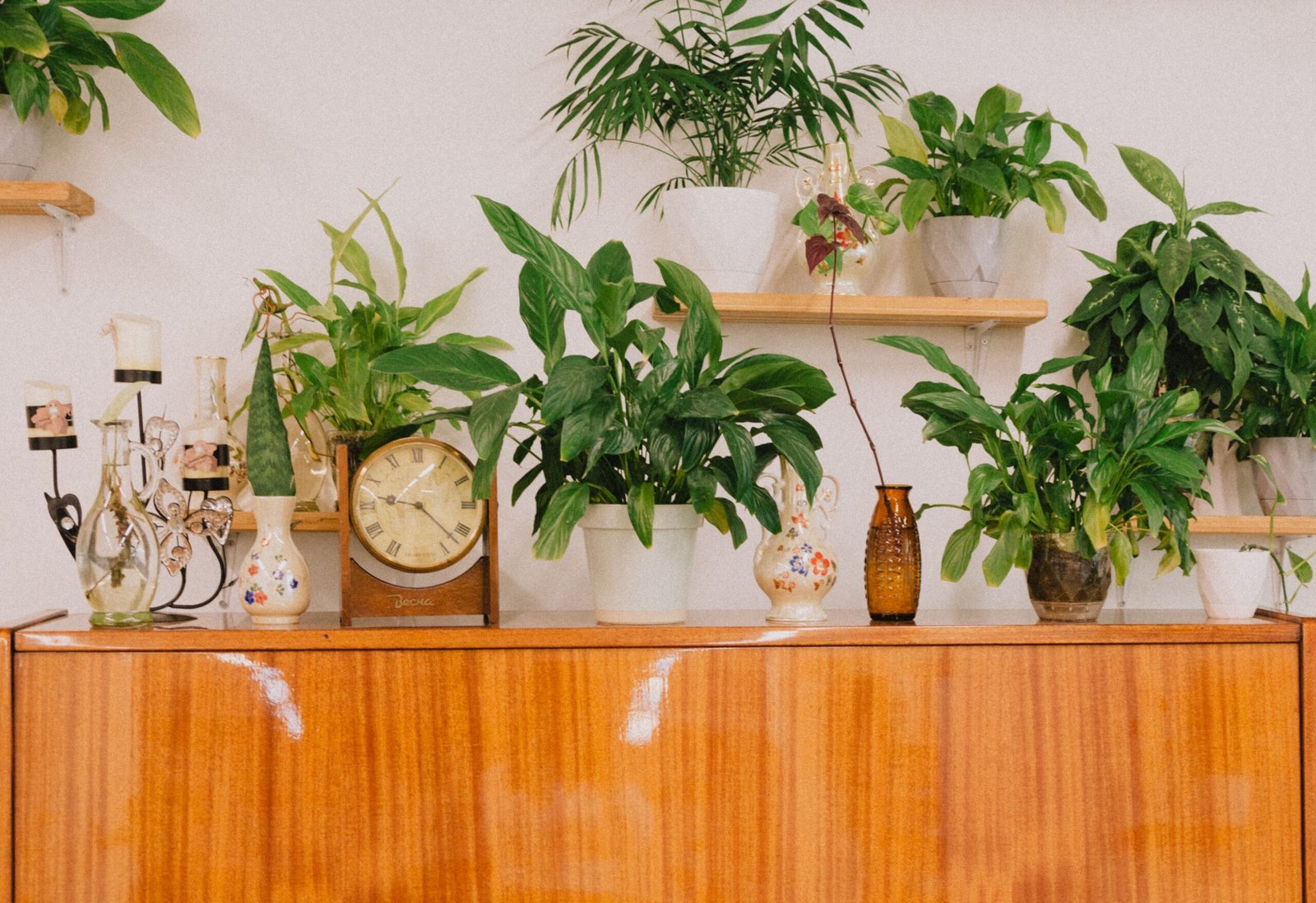
Best for: a bright window area with overhead clearance and verified mounting points. A properly installed hanging planter can leave a tabletop free. It is helpful for trailing plants, but only if you can reach the planter for regular care.
- Check the ceiling, hardware, weight rating and lease rules before installing.
- Keep hanging baskets away from doors, fans and walkways.
- Use an inner pot and watering method that prevents uncontrolled drips.
What to avoid: unsupported ceiling hooks, unapproved balcony railing attachments or planters that could fall onto people or pets.
7. Start a Mini Display on a Desk or Windowsill
Best for: a very small apartment or a first-time plant owner with only two or three pots. A shallow waterproof tray and a stable mini riser can turn a desk corner or properly supported windowsill into a manageable plant display without buying a full-size stand.
- Choose two or three compact plants suited to the available light.
- Place taller plants at the back and short ones at the front.
- Make sure the surface is strong, water-protected and doesn’t obstruct work or window operation.
What to avoid: allowing water near electrical equipment, or placing plants on a narrow, unstable window ledge.
Which Small-Apartment Plant Stand Works for You?
- Very narrow corner: choose a slim tiered stand if the spot gets usable light.
- One good window: use a narrow windowside shelf with access for curtains and watering.
- Bright empty wall: use a stable ladder shelf or securely mounted shelving where allowed.
- Flexible space: consider a locking rolling cart if the floor is level.
- Renter avoiding holes: start with freestanding furniture that does not need wall hardware.
- Almost no floor space: use a small tray or a sturdy desktop riser for two or three plants.
What Plants Work Best on a Vertical Stand?
Choose plants for the light reaching each shelf, not just their appearance. Pothos, ZZ plants and snake plants can tolerate reduced light, though growth may slow. Spider plants usually do well with brighter indirect light. Many succulents prefer much stronger light and are not automatically suitable for a shaded upper shelf.
Need help choosing varieties? Read our 10 Best Indoor Plants for Small Apartments guide. Our Indoor Plant Care for Beginners guide covers watering, drainage, soil and seasonal care.
Helpful Supplies, If You Need Them
Affiliate disclosure: The Amazon links below are paid affiliate links to specific product listings on Amazon.com. As an Amazon Associate I earn from qualifying purchases. We have not personally tested these items. Availability, prices, variations, and product details may change. International visitors may be redirected by Amazon to a local product or search page when a matching item is unavailable.
Looking for a product from Pinterest? Jump to: 3-tier wooden plant stand · 4-tier black corner stand · 3-tier metal shelf · clear plant saucers. Each recommendation helps solve a different small-apartment plant-display problem.
Featured Plant Stand: Bamworld 3-Tier Wooden Plant Shelf
Why it may work in a small apartment: This freestanding, staggered wooden stand provides several display levels for houseplants without needing a large bookcase. The brown three-tier, seven-pot-style version shown in the product examples measures approximately 34 inches wide × 11.8 inches deep × 32 inches high; check the current Amazon listing for the exact variation and measurements before buying. It can be a practical choice near a bright window where each shelf gets suitable light. Before purchasing, measure your available floor space and check the manufacturer’s current load limit, assembly instructions, and stability or anchoring guidance. We have not personally tested this product, and plants and pots may not be included.
Choose the solution that fits your actual problem. Each product below has its own information and Amazon product-page link; styles and availability may vary by country.
For Narrow Corners: Bamworld 4-Tier Black Metal Plant Stand
Best for a small sunny corner or narrow entryway where a wide plant shelf will not fit. This tall, freestanding black metal stand uses staggered circular plant platforms to organize several pots vertically. It is especially useful for displaying plants beside a window while keeping more floor space clear. Measure the available width and height, confirm the load rating, and keep taller plants from blocking access to the window.
For Multiple Pots: Simple Trending 3-Tier Metal Plant Shelf
Best for a bright stretch of wall when you want a tidy display for several pots on horizontal shelves. The black three-tier metal stand pictured in the product example is approximately 27 inches wide, 11.37 inches deep and 29.75 inches tall. Open wire-style shelves can make it easier to organize pots across three levels. Before ordering, compare your wall and window space, the manufacturer’s current shelf weight ratings, and whether the stand needs to be secured.
For Water Drips: TRUEDAYS Clear Plant Saucers
Best for protecting plant shelves, windowsills and floors from runoff when watering pots with drainage holes. These clear, nested plastic drip trays are offered as a 20-pack with assorted saucer sizes (6, 8, 10 and 12 inches in the listing shown). Pick a tray that fits the base of your own pot, empty collected water after watering, and use additional protection for moisture-sensitive wood. Check the exact pack variation, final price, and shipping or import charges on Amazon before purchasing.
A product is not necessary for every setup. Reusing a sturdy side table or small shelf you already own can be a smart, budget-conscious solution when the surface is stable, protected from moisture and suitable for the plants.
Five Mistakes to Avoid
- Buying a stand based on a photo without measuring the apartment.
- Putting every plant on the same shelf even when their light needs differ.
- Loading the top shelf with the heaviest pots.
- Watering without trays, then letting runoff damage the shelf or floor.
- Ignoring a plant’s mature size, pet safety or safe access to doors and windows.
Frequently Asked Questions
Can I keep plants on a stand in a dark corner?
Only if the available light is adequate for the species, or you provide suitable supplemental lighting. A dark corner may look stylish, but a stand alone does not make it a healthy growing location.
What is the most renter-friendly plant stand?
A stable freestanding stand or shelf is usually simpler than drilling into walls or ceilings. Always check lease restrictions, the stand’s load capacity and whether anchoring is recommended for safety.
How many plants should I start with in a tiny apartment?
Two or three manageable plants are enough. Learn their light and watering needs, then add more only after you have enough suitable space to care for them.
Can I display plants without buying anything?
Yes. A sturdy, well-lit, water-protected side table or shelf you already own can be a useful display. Test stability, room for watering and whether the surface can support the filled pots.
Final Thoughts: Give Each Plant a Practical Home
You don’t need a big apartment to enjoy a small indoor garden. Start by measuring one sunny, safe area. Choose a stable stand or repurpose furniture, then arrange a few plants that suit the light and available space. Keep the display easy to water and simple to maintain.
For more beginner tips, explore Small Space Gardening for Beginners or our Indoor Plants guides.