
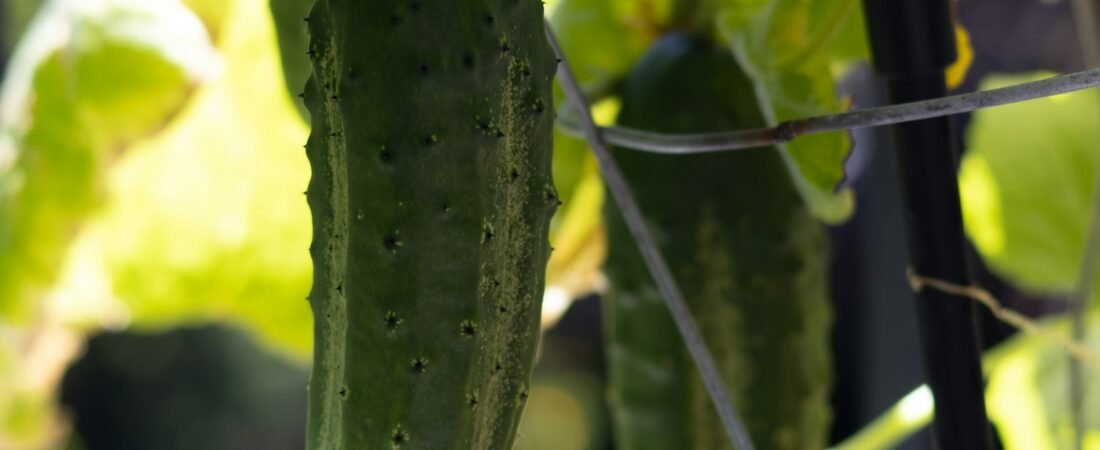
Cucumbers can grow surprisingly well in a container garden when you select a suitable variety and provide plenty of sun, water and support. Training a vine upward saves space and can keep fruit off wet surfaces. A compact trellis setup is helpful for patios, but on balconies it must also be stable, wind-aware and allowed under building rules.
Start with a container-friendly variety
Look for cucumber seeds described as bush, compact, patio or suitable for containers. Some vining varieties also work when trained vertically, but they need more support and room. Read the packet for mature vine length, days to harvest and whether the variety needs pollination. A plant bred for a short season may be easier in cool climates than one requiring a long, hot summer.
Use a generous, well-draining container
Choose a stable pot or grow bag that provides ample root volume. Many container cucumbers do best with several gallons of growing medium per plant, and vigorous types may need substantially more than a tiny decorative pot. Check product guidance for the exact variety. Fill with quality potting mix rather than dense garden soil, and ensure excess water can escape freely.
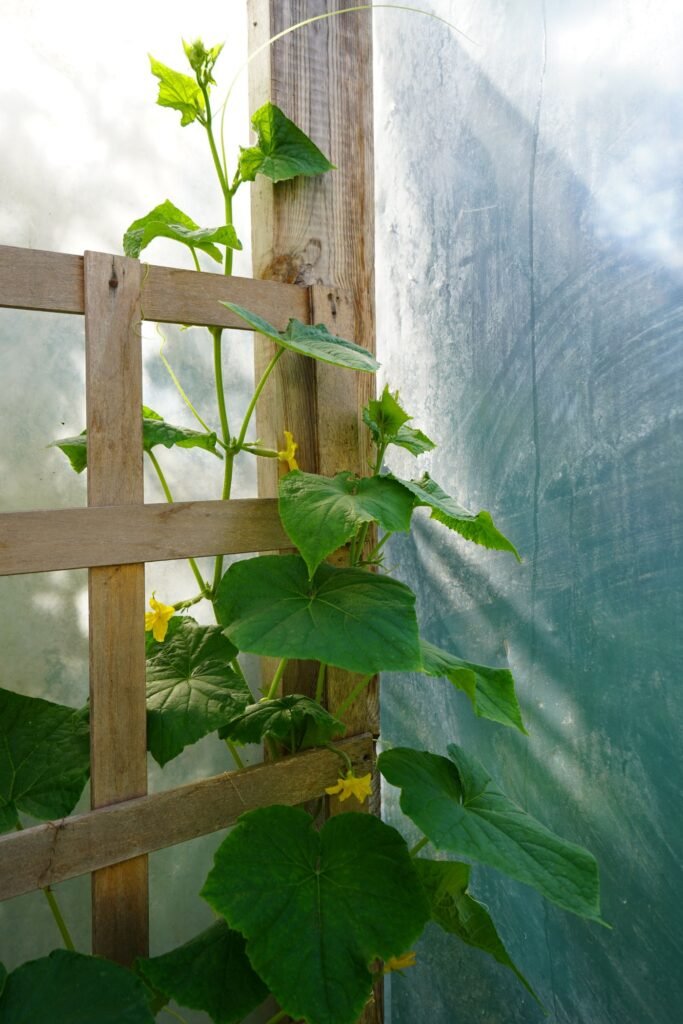
Install a sturdy trellis early
Set the trellis in place while the plant is small to avoid damaging established roots. Guide tendrils gently toward the support and check that the structure cannot tip when vines and fruit become heavy. On an apartment balcony, freestanding supports should be fully within the permitted area. Never attach unapproved equipment to a shared railing or let vines hang over pedestrians.
Give the crop warmth and enough sun
Cucumbers are warm-season plants. Wait until local frost risk has passed and the growing medium has warmed before putting them outside. Aim for a sunny position; weak light may produce foliage but little fruit. Harden off indoor seedlings over several days rather than moving them straight into strong sun and wind. Protect young plants from cold nights.
Check moisture and nutrients regularly
Container roots have limited access to moisture, and fast-growing vines can dry a pot quickly. Feel the mix and water thoroughly when needed, keeping foliage as dry as practical to reduce disease problems. Use a fertiliser labelled for edible container crops according to its instructions. Avoid excessive nitrogen, which can encourage leafy growth without solving poor light or watering conditions.
Support pollination and harvest promptly
Typical cucumber types have male and female flowers, and fruit may develop poorly when pollinators are absent. Some cultivars are bred to set fruit without pollination, so check the seed description. Pick cucumbers while they are tender and within the recommended size range; leaving oversized fruit on the vine may reduce later production. Inspect plants for leaf disease and remove damaged material with clean tools.
Plan one manageable growing station
Before buying seedlings, place the empty container and trellis where you expect them to stay. Walk past with a watering can and check that you can reach the back of the support. Leave the door swing and escape route clear. A vine that is easy to reach at planting time can become a curtain of leaves later, so plan access for harvesting on both sides. Keep drainage away from the neighbour below and from places where people could slip.
For a first attempt, one plant in its own suitably sized container makes care easier to interpret than a crowded mixed planter. Keep the seed packet or nursery label with your gardening notes. Write down the cultivar, expected fruit size and planting date. These details help you decide when to harvest and whether the crop suits your season, without comparing a short-fruited patio type with a completely different supermarket cucumber.
Train the vine a little at a time
Check new growth regularly while it is flexible. Guide the growing tip towards the trellis rather than forcing an older stem around a support. Where a tie is needed, use a soft tie with room for the stem to thicken; avoid wire tightened directly against the plant. Leave developing fruit clear of narrow openings where it could become trapped as it grows. Do not thread a cucumber through a gap simply to make the arrangement look tidier.
After windy weather, inspect the support at its base as well as the top. A straight-looking trellis may still have loosened in the pot. If you cannot secure the structure within building rules, choose a lower, more compact growing arrangement. Extra foliage and fruit change the load over the season, so stability is an ongoing check. Do not wait for the vine to lean over a walkway before addressing the problem.
Read the flowers before changing your care
A female flower has a small swelling resembling a miniature cucumber behind its petals; a male flower sits on a narrower stalk. Seeing early male flowers fall does not mean you have failed. Watch what happens to female flowers over several days and check the variety information. The label may say parthenocarpic, meaning fruit can develop without pollination. That is different from simply producing mainly female flowers, which does not by itself remove the need for pollen.
Keep a brief note of flowering, weather and any developing fruit. This helps separate a short spell of poor conditions from a persistent problem. Avoid automatically adding more fertiliser when flowers drop: it cannot replace pollination in a variety that needs it. If fruit develops, check behind the leaves during each visit. Support the cucumber with one hand and cut its stalk with clean snips, taking care not to cut the main vine or pull the trellis towards you.
Make a quick daily circuit
During active growth, make each visit serve three purposes: feel the potting mix, check the support and look for harvestable fruit. Water when the mix needs it, not simply because you are holding the can. Before a hot day or a short trip away, consider who can check the plant if it dries quickly. A tray of standing water is not a reliable substitute for care. Keep a small pair of snips near your gardening supplies so harvesting does not become a job you postpone until the fruit is oversized.
Quick checklist
- Select a compact or trellis-suitable cultivar before choosing a pot.
- Install a stable support while seedlings are small.
- Keep vines and trellises inside permitted balcony boundaries.
- Harvest often and check soil moisture during heat.
Cucumber container and trellis buying checklist
Before shopping for cucumber supplies, decide whether the seed packet describes a compact bush cucumber or a climbing vine. The support, mature spread and container size may differ. A five-gallon pot can be restrictive for a vigorous vine, so consider a larger container and check cultivar recommendations rather than buying the smallest possible pot.
- Room for roots: look for a generous volume of good potting mix and effective drainage. A fabric grow bag may dry faster during hot weather than a rigid self-watering container.
- Support: choose a trellis that fits the plant’s mature height, can be securely anchored, and will not topple when foliage and fruit become heavy. Install it early to avoid damaging roots later.
- Balcony safety: assess wet-soil weight, wind exposure, lease rules and safe drainage before setting a large planter beside railings.
- Daily care: water based on the mix’s moisture, harvest regularly and watch for signs of heat stress or poor pollination before assuming fertiliser is the solution.
Container example: VIVOSUN 10-gallon fabric grow bags (five-pack) are one possible larger-container choice. They are not a substitute for the separate, properly secured trellis. Paid Amazon affiliate link; as an Amazon Associate I earn from qualifying purchases. See our affiliate disclosure.
To compare alternatives, read grow bags vs plastic and terracotta, what potting mix containers need and watering during heat waves.
Frequently asked questions
How big should a pot be for cucumbers?
Use a generous container matched to the variety; vigorous plants need more root volume than many small decorative pots provide.
Can I grow cucumbers without a trellis?
Yes, especially compact bush types, but vines need enough horizontal space and protection from damp surfaces.
Why are my cucumber flowers falling?
Early male blossoms naturally fall. Poor pollination, heat stress or plant stress can affect female flowers and fruit set.
Related reading
For your next step, explore Best Vegetables to Grow in Five-Gallon Containers. See also University of Minnesota Extension’s cucumber-growing guide for additional research-backed horticultural guidance.