A five-gallon pot can grow one good pepper plant or a small planting of leafy greens. Those are different uses of the same space. Decide what you would like to pick, then match the crop’s mature size, support and season to the pot. The number on the container tells only part of the story.
Check the usable size of your five-gallon container
In this guide, five gallons means five US gallons, or about nineteen litres. An imperial gallon is larger, and some nursery containers use nominal sizes, so check the actual dimensions or stated litre capacity. A tall bucket and a squat bag with similar volumes offer different surface areas for sowing and different bases for supporting a plant. Measure the planting depth after allowing room below the rim for watering. A reservoir or false bottom reduces the space available for roots.
For vegetables, use a container suitable for food growing. If repurposing a bucket, establish what it held before. Use a different container if its previous contents are unknown or unsuitable. Confirm that excess water can leave and that the filled container can stand level. Put it into position before adding wet mix, particularly if you garden on a balcony where access and load rules matter.
Choose among four crops and plan their care
Think about the harvest you want from this one spot. A tomato or pepper may occupy it for the warm season before giving you ripe fruit. Loose-leaf lettuce can offer earlier pickings in suitable cool weather. Bush beans give you a compact warm-season option without the height of a pole bean. Check your local growing window and the direct sun reaching the actual planting position. The first four tips below compare the crops. The fifth covers the watering and feeding decisions they share once roots are confined to a pot.
1. Pick a genuinely compact tomato
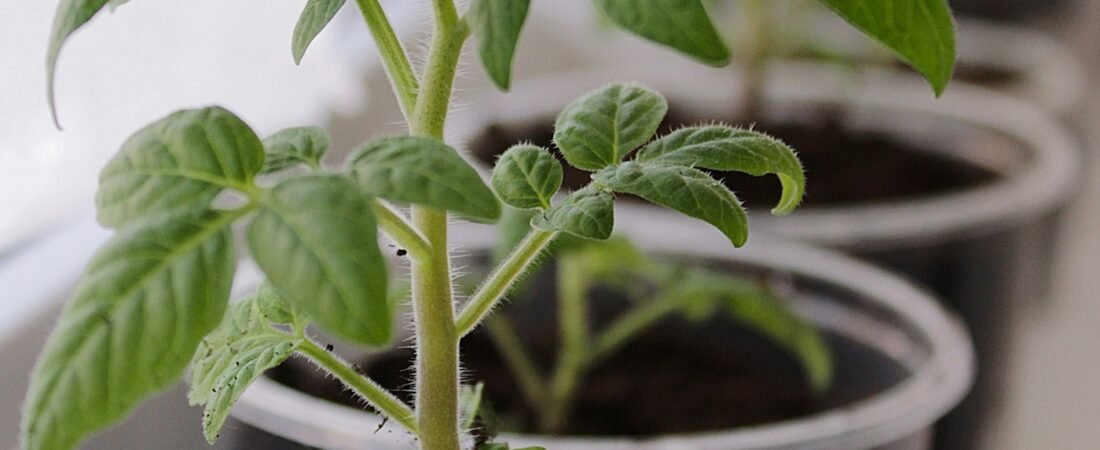
Look for a named patio, dwarf or bush cultivar and confirm its recommended container size. The word cherry describes the fruit, so a cherry tomato can still make a large vine. Set the support at planting and check that your hand can reach through it to pick ripe clusters. Give the plant a suitable sunny outdoor position after cold conditions have passed. If the tag recommends considerably more root volume, choose another variety for this container rather than trying to hold back a vigorous plant by underfeeding it.
2. Grow one suitable sweet or hot pepper
A single compact pepper can make good use of the space when it has warmth and adequate sun. Compare days to harvest and whether you plan to pick green or fully coloured fruit. A short growing season may suit an established transplant better than a late start from seed. As the first fruit develops, check whether branches bend and add a suitable support if needed. Leave room to reach the stalk with scissors so you can harvest without snapping the branch.
3. Space leafy greens across the surface
For loose-leaf lettuce, use the packet’s final spacing for the leaf size you want. A wide pot is easier to divide into distinct planting positions than a tall narrow bucket. Leafy chard can become much larger than a handful of seedlings suggests, so choose the cultivar and number accordingly. Sow a small section first if you prefer staggered harvests. Keep established growing centres intact when picking outer leaves from suitable varieties and avoid repeatedly stripping all the foliage at once.
4. Sow bush beans for a compact warm-season crop
Check that the packet says bush rather than pole or climbing bean. Use its spacing to work out how many plants fit without crowding, and sow into warmed mix when local conditions suit the crop. Keep the pot in a sunny position and check moisture during flowering and pod development. Pick pods at the stage recommended for the variety. Frequent access matters, since pods can hide under leaves and a pot tucked behind taller crops is easy to overlook.
5. Match watering and feeding to the crop in the pot
Check how damp the mix is beneath the surface, particularly after windy afternoons or when a large canopy keeps rain off the pot. Water when needed and let excess drain. Look at the potting mix label before feeding. Some mixes already supply nutrients, while others need a crop-appropriate feeding plan. Use a fertiliser labelled for edible containers and measure it as directed. A fruiting tomato and a newly sown row of lettuce do not necessarily need the same treatment on the same day.
Pass on crops that will overwhelm the setup
A tiny squash or sweetcorn seedling can look as manageable as a pepper at the nursery. The mature plant tells a different story. Large squash leaves and long vines need spreading room. Sweetcorn generally needs a group of plants for useful wind pollination, as well as enough growing space. A vigorous indeterminate tomato can outgrow a modest support and demand frequent watering in a small root volume. If the crop you want needs more space, choose a more compact cultivar with explicit container guidance, provide a larger appropriate setup or use this pot for another crop.
Plant one container for a meal you already make
Plan backwards from the kitchen. If you regularly use a sliced green pepper in a meal, one compact pepper may be a useful first project. If you want a few fresh leaves for sandwiches several times a week, a small planting of leaf lettuce may suit you better during its cool season. If you can only inspect the container occasionally, a thirsty fruiting crop on an exposed balcony may be a poor fit. Put the plant within easy reach, label the cultivar and leave clear space for picking before neighbouring pots fill the gap.
Compare the bucket, bag and patio pot before buying
Look at the footprint with the container open and filled to its intended level. A fabric bag needs support from the surface beneath it and can lose moisture through its sides. A rigid plastic pot holds its shape, but a narrow base may be unstable under a tall fruiting plant. Check handles, seams or rims if you plan to move it. Empty weight tells you little about the difficulty of moving a fully watered crop. Place a tall support while you can still reach the base easily and make sure it works with the container design.
Check where the runoff goes. A pot on a shelf above another pot may drip onto lower leaves or leave the lower mix wetter than intended. A bag on a balcony can release water across a wider base than a bucket with a few outlets. Make provision for that before sowing. Storage space at the end of the season may then be the deciding factor between two otherwise suitable choices.
Relevant product example: VIVOSUN five-gallon fabric grow bags (five-pack) are one option if you specifically want portable fabric containers. Compare the final planted weight, available sunlight and drying rate before choosing them over rigid plastic pots. This is a paid affiliate link; as an Amazon Associate I earn from qualifying purchases. Availability varies. See our affiliate disclosure.
Still deciding? Read how to choose pot sizes for herbs and vegetables, the cherry-tomato container guide and why container potting mix matters.
Give a compact tomato the bucket to itself
Start with one tomato cultivar specifically suited to the available volume. Two seedlings may fit on planting day, but they will share the same restricted water supply and root space once both fill out. Check the cultivar’s height and habit, and use a stable support that remains inside the growing area. If two plants have already been purchased, give each its own suitable pot or share one with someone else while it is still manageable. Avoid keeping two vigorous vines together simply because the bare surface around the young plants looks empty.
Use the first crop to improve the second choice
At the end of the crop, review the part that limited you. If the plant was constantly thirsty and the mix dried within your normal checking interval, reconsider the size, material or site before trying another vigorous variety. If the crop stayed healthy but you rarely ate it, choose a vegetable that better fits your meals. If the harvesting period was much shorter than expected, note the variety and planting date. That information helps you adjust the next planting more precisely than a general verdict that five-gallon gardening worked or failed.
Explore our Container Gardening section and beginner container guide. For container sizes, drainage and growing media, visit University of Maryland Extension.