
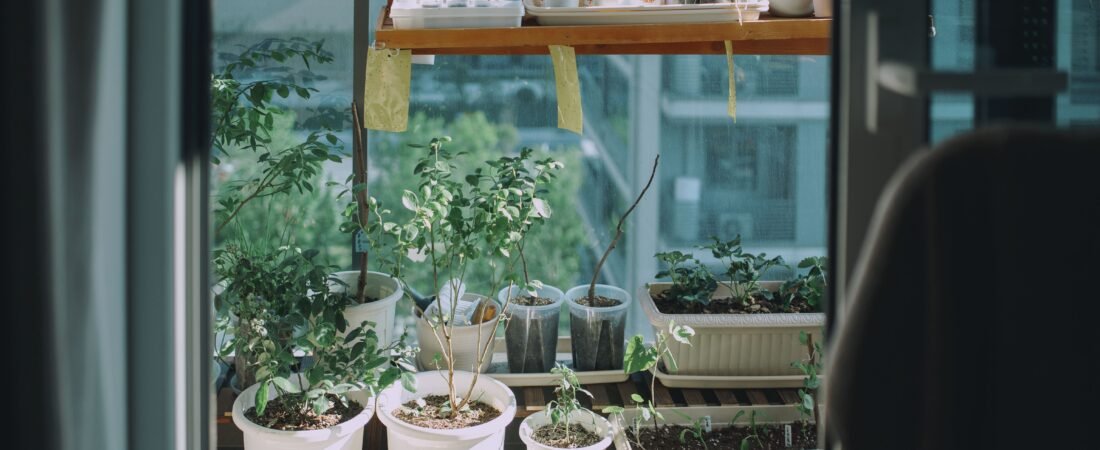
A balcony garden should not send muddy water onto the unit below or leave permanent marks on a rented floor. Yet container plants need oxygen around their roots, and most require excess watering water to escape. Good balcony planter drainage is about managing both needs: keeping plants healthy and catching or directing runoff safely.
What to know before you begin
The most useful starting point is to match your care routine to the growing conditions you have—not to an idealized photo. Here is a practical way to approach balcony planter drainage without buying unnecessary equipment.
Check building rules first
Read your balcony or strata rules before drilling containers, installing hanging baskets or using large trays. Some buildings restrict planter placement, railing attachments and where drainage may flow. Never alter the balcony’s own drains or waterproofing. If you are unsure about weight limits or permitted fixtures, ask management before buying a large setup.
Keep drainage holes functioning
Use nursery pots with unobstructed drainage openings. A layer of rocks at the bottom does not substitute for real drainage and may reduce the effective root zone. When you water, let excess leave the pot instead of keeping roots submerged. If a decorative planter has no holes, use a removable draining inner pot so you can water and empty it separately.
Catch runoff without storing stagnant water
Put correctly sized saucers under pots or use a protected watering station where containers can drain. Check saucers after heavy rain and watering, and empty any standing water where safe. This helps avoid root problems and reduces insect breeding sites. If several pots share a tray, ensure runoff from a sick plant does not flow into another container.
Protect balcony surfaces
Use outdoor-safe pot feet, trays or risers when appropriate to prevent moisture trapping and allow you to clean underneath. Wet mix and fertilizer salts can stain certain finishes. Do not assume a rubber mat is harmless: some mats trap water or discolor surfaces. Follow the surface manufacturer’s guidance and inspect periodically for staining or damage.
Water slowly and deliberately
A narrow-spout watering can gives better control than pouring a large jug quickly. Add water in stages, allowing dry mix time to absorb it, then catch any excess. Water earlier in the day when practical so you can inspect the balcony afterward. If you use a self-watering planter, check that its overflow works and does not discharge beyond the balcony.
Set up a weekly drainage check
Lift small pots, clean debris from trays and inspect for blockages. After a storm, check whether a tilted saucer has become a puddle or whether potting mix washed across the floor. Keep the balcony’s designed drainage paths unobstructed at all times; neither standing water nor blocked exits is an acceptable tradeoff for more plants.
Quick checklist
- Never let runoff drip through railings onto people or property.
- Use separate saucers for plants suspected of disease.
- Check the full weight of wet planters before using elevated shelving.
Frequently asked questions
Should balcony pots have drainage holes?
Usually yes. Use a draining inner pot and a catch tray to manage where excess water goes.
Can I leave water in a saucer overnight?
Generally empty standing water after drainage so roots are not continually submerged and pests are not encouraged.
Do pebbles under the soil improve drainage?
No. They do not replace drainage holes and can make waterlogging worse.
Optional supplies (affiliate links): A waterproof tray and a stable pot saucer can help collect runoff, but neither replaces proper pot drainage or your building’s balcony rules. The HC Companies 17.5-inch Prima plant saucer (paid link); Ottomanson waterproof 15-by-30-inch utility tray (paid link). As an Amazon Associate I earn from qualifying purchases. Links open Amazon.com; prices and availability may change. Affiliate disclosure.
Keep learning
Read our How to Start a Balcony Garden on a Budget for a related small-space project. For additional horticultural context, visit University of Maryland Extension’s container-drainage guidance.