
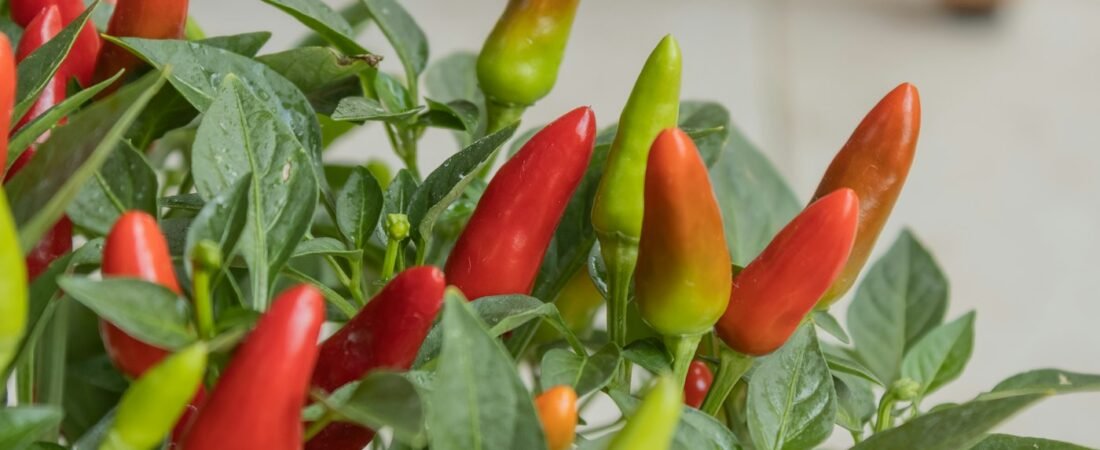
A pepper plant can sit neatly against a sunny wall until the first large fruit pulls a branch sideways. Plan for that stage while the plant is small. A suitable variety, warm growing conditions and enough space for both roots and branches make a bigger difference than a shelf full of gardening supplies.
Check your growing season and your sunniest spot
Start with the pepper you most want to eat. A sweet pepper picked green can be useful in the kitchen before it reaches its final colour. If you particularly want red, orange or yellow ripe fruit, allow time for that colour change. Look at the variety’s maturity estimate and whether the seed supplier counts from transplanting. A packet describing a quick crop after transplanting is assuming you already have a young plant to set outside.
Look at the intended position on an ordinary day. Note when direct sun arrives, when it leaves and how much space the canopy will have at full size. A solid wall can shelter the plant from wind but can also shade it for much of the day. A sunny step or patio corner with a stable surface and easy watering access may be a better choice than a more prominent spot on the railing.
Raise one potted pepper from planting to harvest
If this is your first container pepper, a healthy nursery transplant lets you concentrate on the outdoor part of the season. Choose one with a firm stem and inspect the undersides of the leaves before bringing it home. Keep its label even if the plant looks distinctive now. Once several varieties are growing together, the label is often the only reliable way to tell a mild green pepper from a hot one before the fruits mature. These five steps apply to both sweet and hot peppers, with adjustments for the size and season of the variety.
1. Select a variety that fits the pot and the season
Look beyond the words sweet or hot. Compare mature plant height, fruit size and time to harvest. A compact plant bearing small peppers can be easier to fit beside a chair than a broad plant carrying several full-size bell peppers. If starting late, check what local nurseries grow successfully outdoors and choose a transplant suited to your remaining warm months. Pick for flavour too. A prolific plant is of limited use if its fruit is too hot for anyone at the table.
2. Ease indoor-grown plants into outdoor warmth
A plant raised behind glass has had little practice with wind and direct outdoor sun. Start with short periods in a sheltered position and gradually increase its exposure as conditions allow. Bring it under cover when nights are too cold. Look at the forecast as well as the calendar before leaving it out permanently. A frost-free afternoon does not tell you how cold the pot and leaves will be before sunrise. Delay the move if an unusually cold spell is approaching.
3. Give each root system its own growing space
For many compact varieties, a pot around five US gallons, about nineteen litres, is a useful starting point. Follow the cultivar’s guidance if it needs more room. Fill with container potting mix and position the transplant at about its nursery depth. Water it in and check where the excess goes. If you hide the nursery container inside an outer planter, lift it out after watering to check for a pool beneath it. A hidden puddle can keep the lower roots wet long after the top looks dry.
4. Check the mix as flowers turn to fruit
Part the foliage to check moisture near the root ball. The leaves may intercept a light shower, and the pot wall facing the afternoon sun can dry faster than the sheltered side. Apply water slowly when needed, giving it time to spread through the mix. If the plant droops while the mix is already damp, pause before watering again. Check drainage, heat and exposure rather than assuming every limp leaf signals a dry pot.
5. Support branches before the peppers become heavy
A small cage can take several branches at once. A stake is useful where one main stem needs help. Fit the support early enough to see where it enters the mix, then use loose, soft ties and leave space for stems to expand. Avoid tying directly around flower clusters or trapping a developing pepper against a rigid upright. Check after windy days and as fruit gains weight. A tie that worked at planting may sit in the wrong place a month later.
Check light and feeding before adding more fertiliser
A dark green plant with plenty of new leaves does not necessarily need another feed because fruit is slow to appear. First check how long the variety takes to reach flowering and whether the plant receives the light you expected. Check the potting mix label for nutrients that were included at purchase. Additional nitrogen can encourage more foliage when that is already the part of the plant growing most strongly. If feeding is appropriate, use the directions for an edible container crop and measure the dose. Keep a note of the date so two people caring for the same pot do not both feed it.
Make one pepper pot easy to reach and pick
Leave enough space between the plant and the wall to see fruit on the far side. When the first peppers appear, follow the branch back to its junction and check whether it has support. A heavy fruit can pull a short side branch down even when the main stem looks upright. At picking time, hold the branch steady and cut the stalk with clean scissors or pruners. Pulling or twisting can break off the next developing fruit with the ripe one. Decide whether to harvest green or leave it to colour according to the variety and what you like to cook.
Choose a container you can keep evenly watered
A fabric bag is light to store when empty and convenient for a seasonal setup. Its exposed sides can lose moisture quickly on a breezy balcony. A solid-sided container with drainage holes may hold moisture for longer, which can help if you are away from the plant during the warmest part of the day. Compare the width of the base as well as capacity. A tall narrow pot that looks elegant indoors can be a poor match for a branching plant loaded with fruit. Leave room for the support and for your hand to reach the surface of the mix.
Relevant product example: VIVOSUN five-gallon fabric grow bags (five-pack). These suit a plan that specifically calls for fabric containers; compare with your plant’s recommended pot size first. Paid Amazon affiliate link; as an Amazon Associate I earn from qualifying purchases. Our affiliate disclosure explains affiliate links.
Compare pot sizes for herbs and vegetables and grow bags vs other containers before purchasing.
Decide whether your balcony suits a fruiting pepper
Stand where the plant will go and picture the balcony during your growing season, including any shade from awnings, neighbouring buildings or taller crops. A warm, bright position with enough direct sunlight, a level place for a pot and a way to drain excess water is promising. If the balcony gets only a brief patch of light, choosing a larger pot or a stronger fertiliser will not replace the missing sun. If it is very exposed, consider a lower position inside the balcony boundary where the stems have some shelter. Follow any building rules for containers and keep access routes free.
Choose next season’s pepper from this season’s harvest
Save a short note about what happened between planting and picking. If the plant produced plenty of green fruit but few peppers reached their ripe colour before cold weather arrived, try an earlier variety or an established transplant next season. If heavy branches bent but fruit ripened well, better support may be all you need. If the mix dried too quickly, review pot volume, material and exposure before changing the variety. Record the name of a pepper you enjoyed eating. Sweetness, heat and the size you actually use in cooking are good reasons to repeat a planting.
Explore our Container Gardening section and beginner container guide. For container sizes, drainage and growing media, visit University of Maryland Extension.