
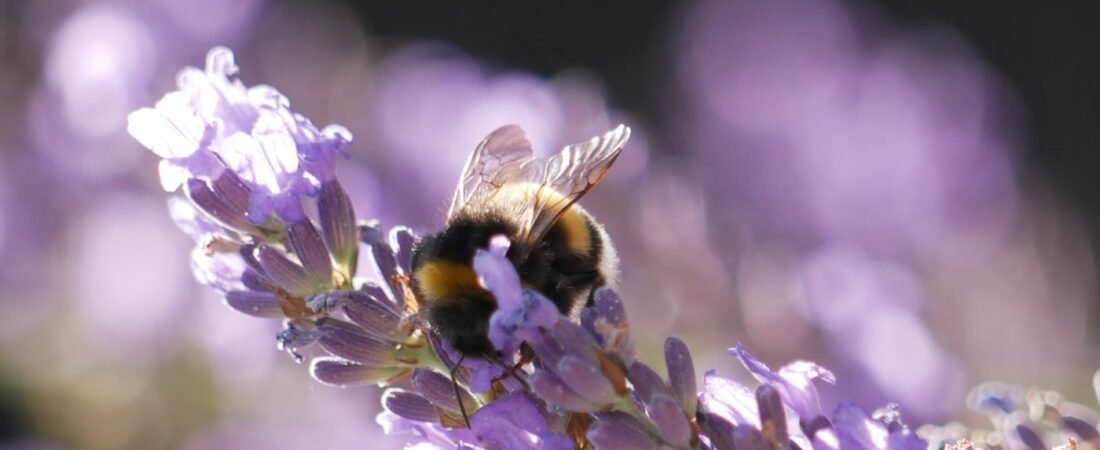
Even a modest balcony can offer useful flowers for bees, butterflies and other visiting pollinators when the plants suit the location. A few healthy containers with blooms at different times may be more useful than an overcrowded display that flowers for only a short period. The right choices depend on your region, local growing season and the amount of sunlight your balcony actually receives.
These pollinator-friendly balcony flower ideas focus on five practical steps: choosing locally appropriate plants, planning bloom times, maintaining healthy containers, avoiding unnecessary pesticides and keeping your outdoor space safe. The aim is to grow a pleasant display that can support visiting insects without introducing invasive plants or creating problems for neighbours.
Check Climate, Balcony Light and Local Plant Guidance First
Begin by checking your local growing zone, frost dates and the amount of direct sunlight available on the balcony. Some flowering plants need long periods of sun, while others can bloom in brighter partial shade. Wind can damage tall stems or dry a container quickly, particularly on higher floors. Do not assume that a flower described as pollinator-friendly will thrive in every climate or be appropriate to grow near natural areas.
Look for recommendations from local native-plant groups, extension services or botanical gardens. Species that are beneficial and well behaved in one region may be invasive or unsuitable elsewhere. Plant labels and seed mixes should be checked for exact species rather than relying solely on phrases such as ‘wildflower blend’. You can begin with two or three manageable containers and grow from there.
Check building rules about railing boxes, hanging baskets and drainage before planting. Keep pots within the balcony boundary and leave clear access to doors, floor drains and shared facilities. A stable display is safer for both residents and visiting wildlife.
5 Ways to Grow Pollinator-Friendly Flowers on a Balcony
Attracting pollinators is not about buying the biggest or brightest flowers. Accessible nectar and pollen, appropriate local plant choices and blooms over a useful part of the season are more important. These five steps work together: choose the right species, stagger flowering periods, provide adequate root space, manage pests carefully and make sure containers remain safe and accessible.
Start with the conditions you can genuinely support. A hot, windy balcony may need more frequent watering and sturdy low-growing plants, while a shaded balcony may call for a different selection. If you are unsure about a species, check local guidance before introducing it. A small number of healthy flowering plants is an achievable first goal.
1. Choose Flowers Suited to Your Local Pollinators and Climate
Regionally native flowers are often a good place to begin because they can provide familiar resources to local insects, but suitability still depends on the specific balcony environment. Check recommendations from a local native-plant organisation and identify the exact plant species or cultivar before ordering. Avoid invasive species and plants that would become far too large for your containers.
Consider the type of bloom as well as its colour. Flowers with accessible pollen and nectar may be easier for some pollinators to use than densely doubled ornamental blooms that obscure the flower’s centre. Do not assume one flower will serve every insect species; diversity within your available space can be helpful. Read mature height, root-space needs and sun requirements before selecting a pot.
2. Combine Early, Midseason and Late-Flowering Plants
A single flowering pot can offer something useful during its bloom period, but the resource disappears once those flowers fade. Where your climate allows, combine plants that tend to bloom at different times. Look for reliable flowering periods in local guides rather than relying only on the marketing photograph. Weather can shift bloom dates, so think in broad seasons instead of expecting exact calendar weeks.
Staggered flowering also makes the balcony visually interesting for longer. If space permits only two containers, choose species with different flowering windows or a suitable variety that blooms repeatedly with good care. Remove spent flowers where appropriate for the particular plant, but be mindful that some species provide seeds or other habitat benefits later in the season. Prioritise plant health over trying to force continuous blooms through excessive feeding.
3. Use Well-Draining Containers With Enough Root Space
Healthy roots are essential for sustained flowering. Choose containers large enough for the mature plants, with openings that allow excess water to escape. A small nursery plant may quickly fill a shallow window box, especially in a sunny or windy position. Use a suitable container potting mix rather than compacted garden soil. If you mix plants in one trough, check that their moisture and sunlight needs are compatible.
Place pots on secure surfaces and use saucers or approved runoff controls to protect neighbours below. Empty standing water when appropriate and avoid blocking balcony drainage routes. Heavy planters can become difficult to move once full of wet mix, so check load limits and accessibility before planting. Leave enough space between pots to inspect foliage and tend the blooms without leaning beyond a railing.
4. Reduce Pest Problems Without Unnecessary Spraying
Pollinator planting works best when you do not treat every visiting insect as a pest. Look carefully at any leaf damage and identify the cause before taking action. Hand removal, better airflow, appropriate watering and careful plant selection may help prevent or manage some problems. If a treatment is genuinely needed, follow local regulations and the product label, and choose the least disruptive suitable approach.
Do not spray open blooms that pollinators are actively visiting. Many insecticides can harm beneficial insects, and a label’s directions about application timing and target plants matter. Keep products away from children, pets and food areas. If a plant has repeated pest problems, it may be more practical to replace it with a healthier, locally suitable choice rather than applying routine treatments throughout the season.
5. Keep Balcony Access, Water and Neighbours in Mind
Position flower pots where they will not block doors, walkways, emergency access or building drains. Wind can make hanging baskets and tall stems hazardous, so use stable containers and follow rules on railing attachments. Avoid placing loose garden decorations above shared spaces or allowing watering runoff to fall onto people below. Consider neighbours when choosing the location of flowering plants and any water dishes.
A shallow water source with clean landing surfaces may help some insects, but it needs regular maintenance and should not create stagnant water or mosquito breeding habitat. You can also simply maintain healthy watered flowers without adding a separate dish. Keep the setup small enough to inspect during the week, and remove damaged equipment before storms. Safe placement should remain part of pollinator care.
Avoid Assuming Every ‘Bee-Friendly’ Seed Mix Is Suitable
Packets marketed for pollinators may contain a mixture of species from different regions. Some may not grow well in your climate, and others may be invasive or inappropriate for the local ecosystem. Check the full species list before buying. When the contents are not identified clearly, it is better to choose individual plants recommended by a trustworthy local source.
Do not rely entirely on flower colour or a label claiming that bees love a plant. Consider whether pollen and nectar are accessible, whether the species will flower reliably in your conditions and whether the mature plant fits your container. Local guidance is particularly important when gardening near natural spaces where seeds might spread beyond a balcony.
Even a suitable plant may offer little value if it struggles for light or water. A healthy, regionally appropriate display usually serves both the gardener and visiting insects better than crowded decorative containers that need constant rescue.
Start With One Manageable Flower Container This Week
You can make progress without turning the entire balcony into a miniature meadow. Begin by recording the hours of direct sunlight and identifying a safe spot for one draining container. Choose a flower recommended for your region and the actual light available. Read its mature size, spacing and watering needs before buying a plant or seeds.
Set up the container where you can easily water and inspect it without stretching over a railing. If the pot is too heavy to move when wet, decide on its final position before filling it. Keep neighbouring doors and drainage paths clear. After planting, check moisture according to conditions rather than watering automatically on a fixed schedule.
Observe whether the plant remains healthy and when it begins to bloom. That information can guide a second purchase later: a complementary flower with a different bloom period may add more value than several identical pots flowering at once.
Plan a Useful Pollinator Flower Display Across the Season
For a slightly larger display, try two or three containers chosen for different flowering windows and compatible growing conditions. Keep the design balanced around sunlight, wind and the space needed for people to use the balcony. A narrow arrangement with stable pots and accessible watering is often better than a tall tiered structure that blocks the door or hides plants from view.
Consider selecting some blooms with uncomplicated, accessible flower shapes, using a local pollinator plant list to guide the actual species. Group compatible plants but leave enough room for air circulation and maintenance. You can note which flowers receive insect visitors, but do not assume that one day’s observations prove a plant’s value in every location.
For planning, see our balcony layouts that leave space to sit and choices for windy balconies. These can help you build a display that is both inviting and manageable.
Can a Single Flower Pot Help Pollinators?
Yes, a single healthy container of suitable flowers can provide nectar or pollen to visiting insects while it is blooming. Its contribution will depend on the species, the quality of its flowers, the surrounding habitat and whether pollinators can reach your balcony. It will not replace a larger network of habitat, but a modest planting can still be a reasonable choice when your available space is limited.
Choose a regionally appropriate plant with accessible blooms and care for it according to its water and light needs. If you later add a second pot, consider a different flowering period so that you are not offering exactly the same resource for only one short week. Avoid unsafe hanging arrangements or excessive irrigation in an effort to make the display bigger.
A small project you can maintain consistently is a better place to begin than an overcrowded collection of plants you cannot reach or water safely.
Find More Small-Balcony Flower and Container Gardening Advice
If you would like more ideas after getting your first flower container established, browse the Small Space Sprout Balcony Gardening section and the balcony gardening on a budget guide. Both can help you evaluate available space and avoid purchases that do not match your actual conditions.
For general container size and stability considerations, see Illinois Extension’s guidance about choosing container sizes. Pair that with advice from local horticultural and native-plant organisations for species selection, since pollinator-friendly plants vary from region to region.
Build gradually, prioritise healthy flowers over decorative volume and keep the balcony safe for the people who use it. Even a few well-chosen pots can make a small outdoor space feel more alive.